Getting Paid Without Chasing: Invoicing, Collection, and Outstanding Balances
Late and unpaid invoices quietly cost more than most marketing problems — and it's usually cheap to fix. A plain guide to getting money in without chasing by hand.
Most of the advice you'll find about a small business is about getting more customers. But ask owners where the real, week-eating pain is, and a lot of them won't say leads. They'll say the money that's already owed to them, sitting out there, that they have to keep nagging people for.
It's worth saying plainly, because it gets so little attention: late and unpaid invoices quietly cost you more than almost any marketing problem. And unlike most marketing problems, this one is usually cheap to fix.
Why this matters more than it gets credit for
A missed lead is money you never had. An unpaid invoice is money you earned — you did the work, you carried the cost — and it's just not in your account yet. That's worse, and it stings more, and it's easy to underestimate because it doesn't show up as a single dramatic loss. It shows up as a slow drip: the invoice you forgot to send for two weeks, the one that's now sixty days late, the awkward email you keep meaning to write and don't.
Add it up across a year and it's often a bigger number than whatever you were going to spend chasing new customers. You're effectively lending money, interest-free, to people who already owe you — and spending your own evenings doing the collections.
The good news is the same as it is in the rest of getting found and getting paid: the fix is rarely expensive. It's mostly a matter of letting a tool do the boring, repetitive part so you don't have to.
What "getting paid cleanly" actually looks like
There are three plain pieces, and you might already have one or two of them. None require a specialist.
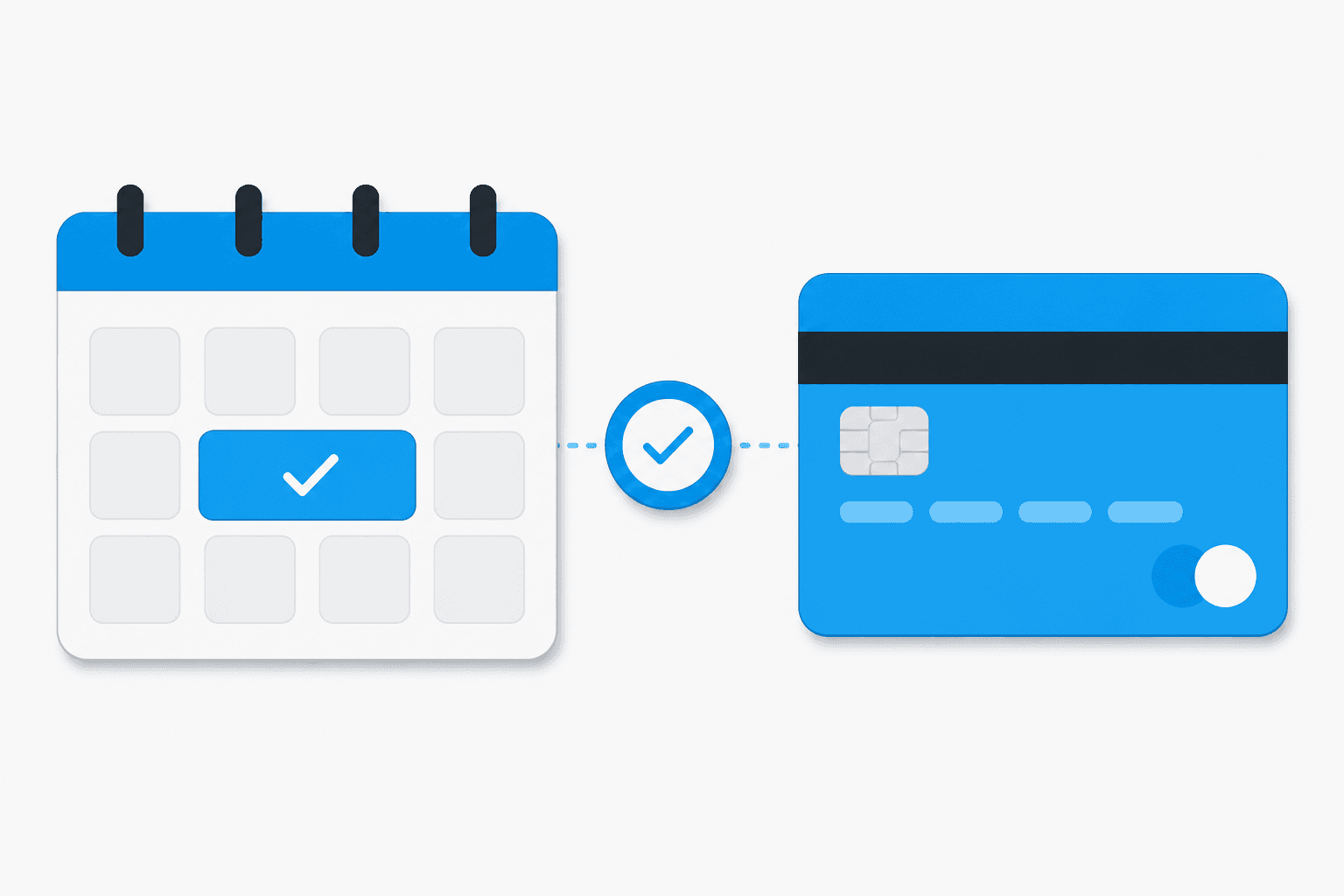
- Easy invoicing. An invoice that goes out the moment the work is done — not when you next sit down to "do the admin" — gets paid sooner, every time. The delay between finishing the work and sending the bill is pure lost time, and it's entirely in your control. Most invoicing tools let you save a template, reuse it, and send in under a minute.
- A way to pay you online. This is the single biggest lever. When the invoice has a "pay now" button — card, bank transfer, whatever suits you — a chunk of people pay on the spot, because it's easier than not paying. Take that button away and you're asking someone to go find their bank details and make a manual transfer, which is exactly the kind of small friction that turns into a sixty-day delay.
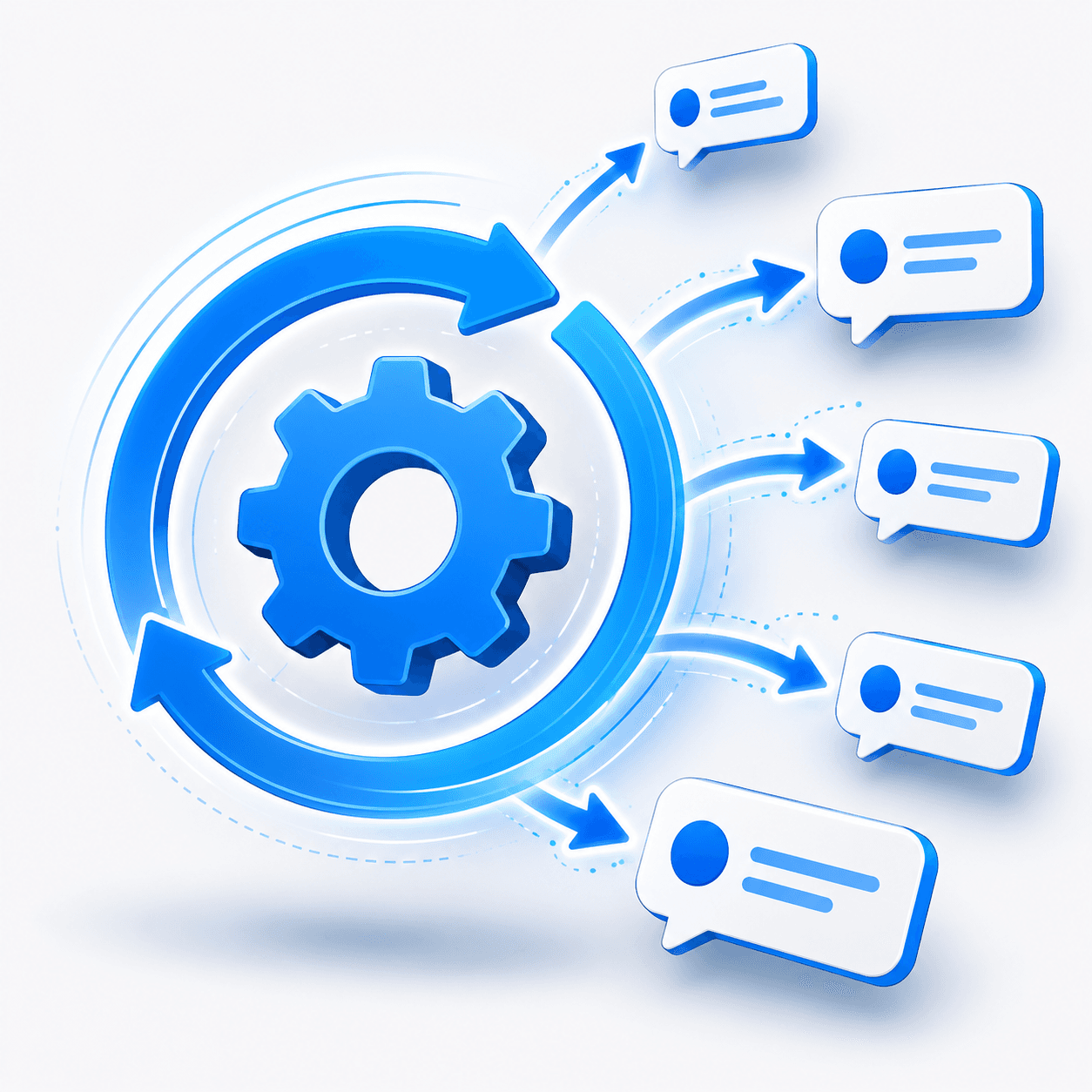
- Automated reminders for what's outstanding. This is the part that ends the chasing. You set it once: a polite nudge the day a payment is due, another a week later, another after that — sent automatically, in your name, without you lifting a finger. The thing you dread doing by hand, the tool does for you, calmly and on time, and you never have to feel like the bad guy.
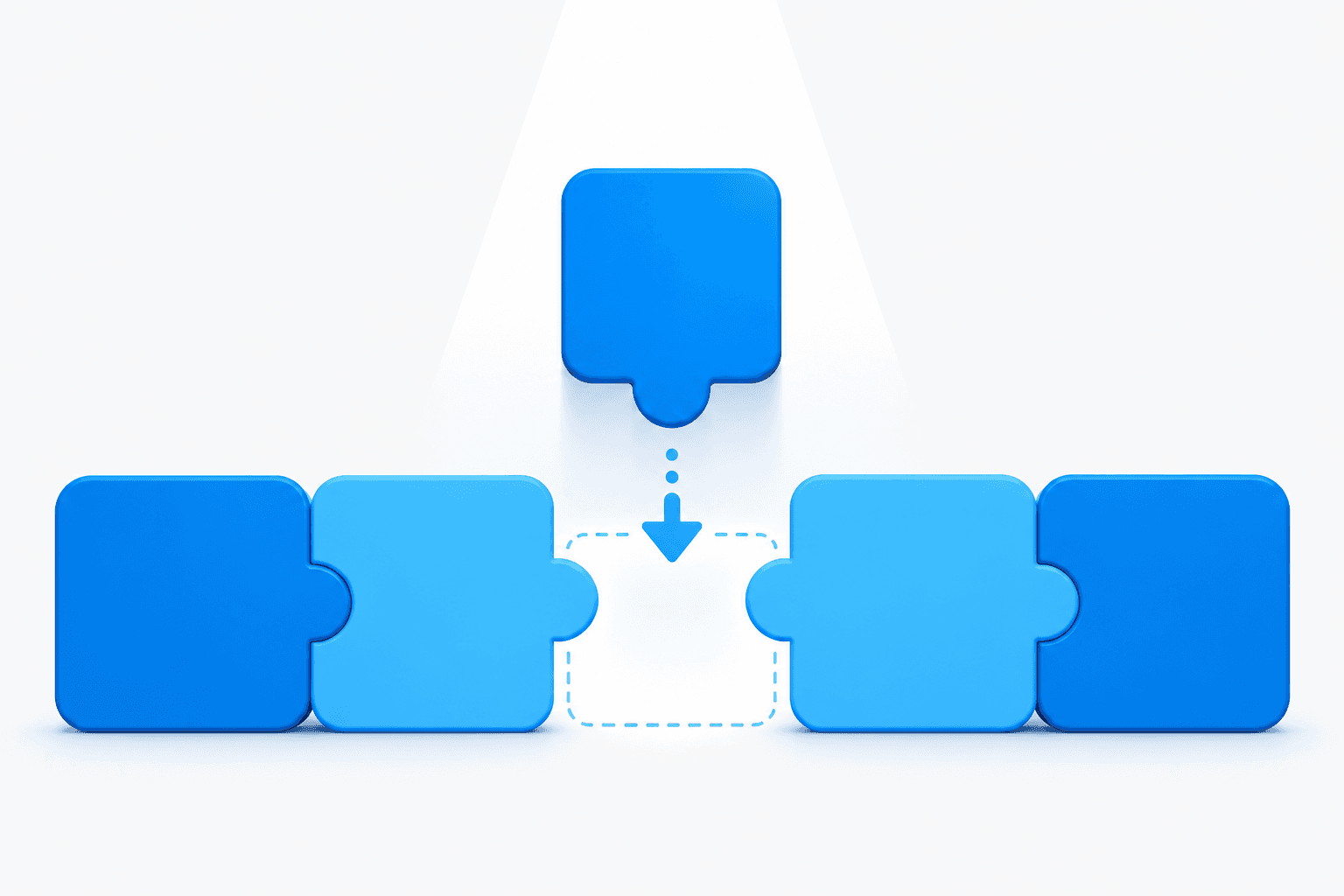
Wire those three together and the whole problem mostly looks after itself. The invoice goes out on time, it can be paid in one click, and anything that slips gets chased without you. That's the system. It's not clever — it's just connected.
The tools, plainly
You don't need anything exotic. If you use accounting software like Xero, QuickBooks, Wave, or FreshBooks, the invoicing-plus-reminders setup is already built in — most owners just never switch the reminders on. If you'd rather take payments directly, Stripe, Square, or PayPal will give you a pay-now link you can drop into any invoice. Plenty of booking and practice-management tools have invoicing baked in too, so if you already run one, check before you buy anything new.
The point isn't the brand. It's that this capability is cheap, common, and probably one switch away from working — and almost nobody turns it all the way on.
An honest note on when it's worth it
For most service businesses, switching on online payment and automated reminders is one of the highest-return small changes you can make — it pays for itself the first time it collects an invoice you'd otherwise have chased for a month.
But be honest about your own situation. If you invoice three clients a month and they all pay on time, you don't need to re-engineer anything — a simple template and a calendar note will do, and adding more machinery would just be tidying for its own sake. The reminders earn their keep when you've got enough invoices, or enough slow payers, that chasing has become a real tax on your week. If that's you, this is very likely the cheapest week-back-in-your-life you'll buy all year.
And one human caveat the tools won't tell you: automated reminders are for the merely forgetful, which is most people. A client in genuine difficulty needs a conversation, not a fourth automated nudge. The system handles the routine so you have the time and goodwill left for the few cases that need you.
This is also worth weighing properly rather than guessing at — plugging a quiet leak you already have is often a better use of effort than chasing more leads, and the only way to know which matters most for you is to look at where the money is actually going.
If you want a plain read on where your money's leaking — whether it's invoices, follow-up, or something else entirely — that's exactly the kind of thing I like looking at. It's a 15-minute, no-pitch conversation: you tell me how your business works, I tell you what I see. Have a look here.