The All-in-One Platforms That Do "Everything" — the Appeal and the Catch
All-in-one platforms like GoHighLevel and HubSpot bundle your whole presence into one login. The real appeal, the honest catch, and when it's worth it.
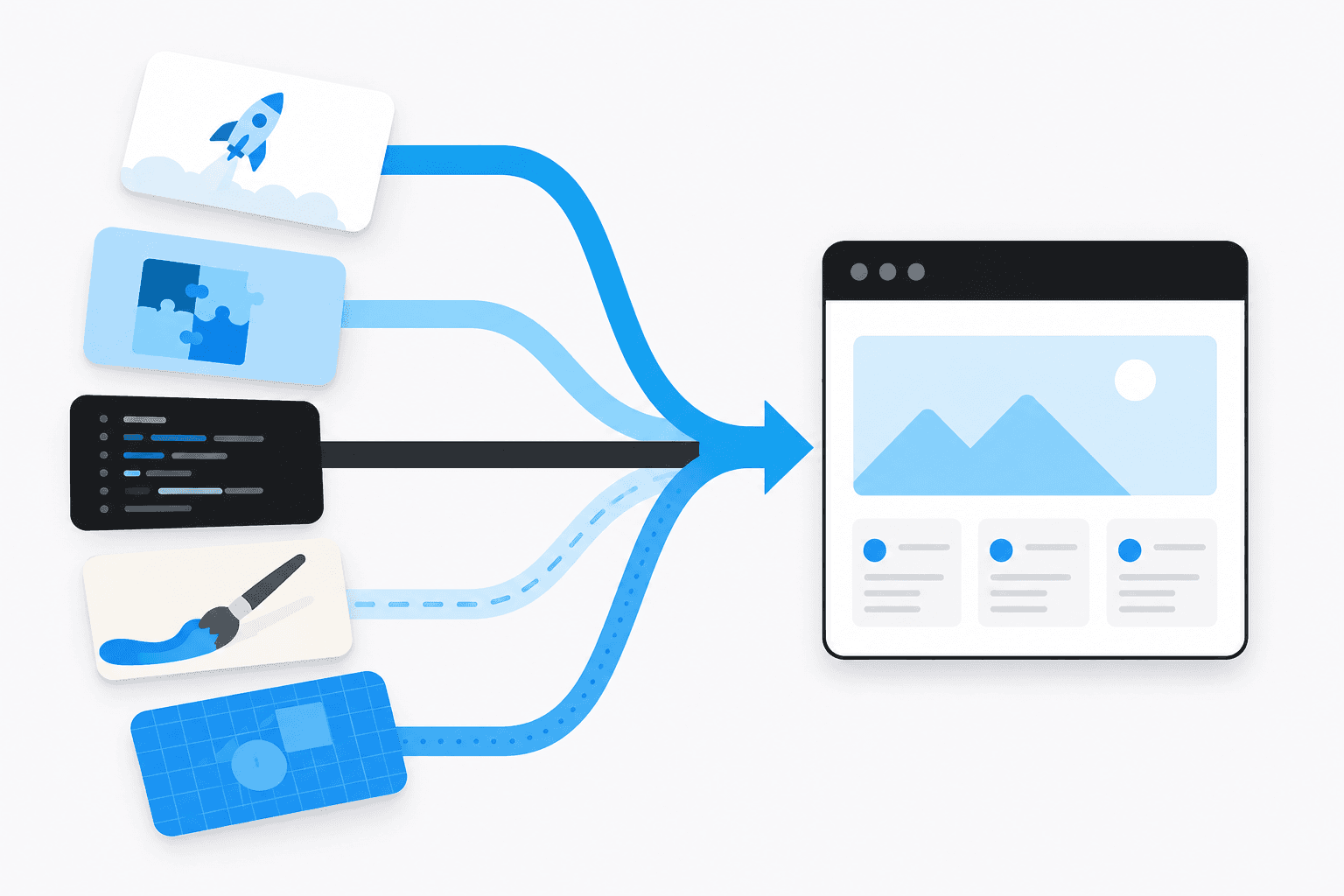
At some point someone will pitch you a tool that does everything. Website, contact list, booking, email, text-back, review requests — all of it, one login, one bill. GoHighLevel, HubSpot, and a dozen others in that shape. The pitch is seductive, and not dishonestly so: instead of stitching together five tools, you get one box that already has the wiring inside it.
It's worth understanding what you're really being offered, because the appeal is genuine and so is the catch.
The appeal is real
Let me be fair about this first, because these platforms get unfairly sneered at by people who sell the alternative.
The simplicity is the whole point, and it's not nothing. One login instead of five. One bill instead of five. When something breaks, there's one company to call — one throat to choke, as the saying goes — rather than a finger-pointing match between your website host, your email tool, and your booking widget. The pieces are already connected, so the system that turns visits into customers is partly built for you out of the box. And the entry price is usually low enough that it doesn't scare anyone.
For a busy owner who doesn't want to become an amateur systems-builder, that's a real, honest pull. Don't let anyone tell you it's a silly choice. For some people it's the right one.
The catch, plainly
Here's the trade you're making, and it comes in three sizes.
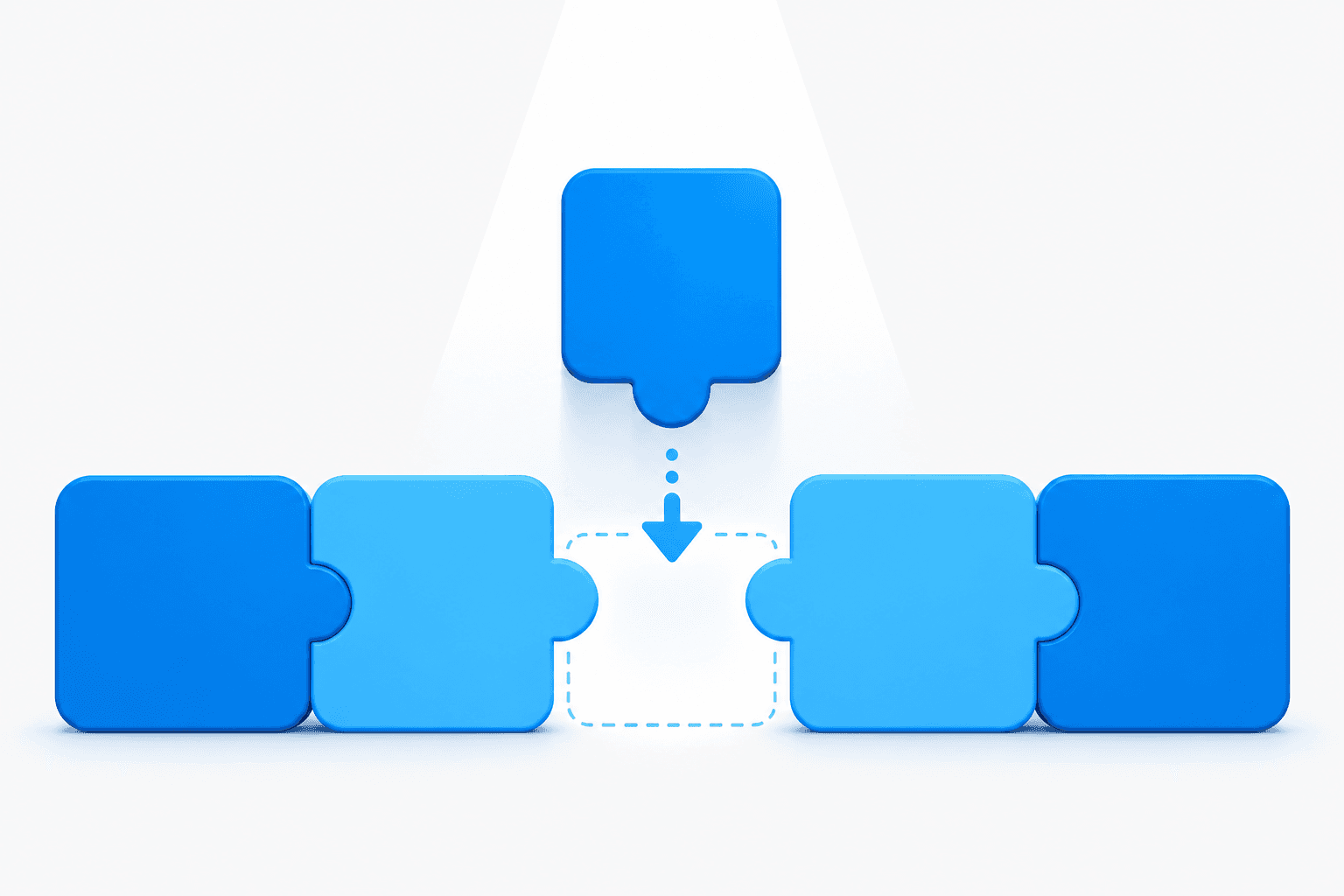
A tool that does everything tends to do nothing especially well. This is just how it goes. The booking inside an all-in-one is fine; it's rarely as good as the tool that does only booking. The email is fine; it's rarely as good as the tool that does only email. You're trading the best version of each piece for the convenience of having them in one place. Sometimes that's a fine trade. Sometimes the part you most rely on is exactly the part that's merely "fine," and that's where the frustration lives.
Your whole presence now lives in one box — and that box is hard to leave. This is the bigger one. When everything is inside a single platform, leaving means moving everything at once. Your site, your contact list, your automations, your history — all of it tangled together in their system, in their format. The day you want out, you discover the exit is narrow on purpose. That's not an accident; it's the business model. A platform that's painful to leave is a platform you keep paying.
The deepest question: do you own your customers, or rent them? Strip away the features and this is what it comes down to. Your customer list — the names, the emails, the history of who bought what — is the most valuable thing your business owns. The honest test of any platform is simple: if you walked away tomorrow, could you take that list with you, clean and complete and usable somewhere else? With the good ones, yes. With others, you find your customer relationships are effectively held inside someone else's software, and you're renting access to your own people. Ask the question before you sign, not after.
This is the buy-vs-build decision, one level up
You've probably already made this call about your website itself — do I buy something off the shelf or have something built. The all-in-one platforms ask you to make it about your whole system at once: one big "buy" decision instead of assembling the parts yourself.
There's no universally right answer, only a right answer for you. Buying the whole box trades control and quality for speed and simplicity. Assembling your own — a website here, a contact tool there, wired together — trades simplicity for control and the ability to swap any single piece without uprooting the rest. Neither is the smart-person choice. The smart-person move is knowing which trade you're actually making.
When it's worth it — and when it isn't
It's often worth it if you're early, you genuinely don't want to manage moving parts, your needs are ordinary, and getting something running this month beats building the perfect thing over six. A lot of people are well served by exactly this, and there's no shame in it.
Be more careful if any one piece really matters to your business — if your booking flow or your email is the thing that wins you work, you may not want the merely-fine version of it. And be careful if you can already feel that your customer list is becoming the heart of your business. The more your livelihood lives inside the box, the more the lock-in costs you later. The thing that's cheap and easy to join can be expensive and painful to leave, and the bill for that comes due quietly, years in.
One plain habit covers most of this: before you commit, find out exactly how you'd get all your data out. If the answer is clean and easy, you've found a fair platform. If the answer is vague, you've learned the most important thing about it.
If you're weighing one of these and want a straight read on whether it fits how your business actually works — and what you'd be signing up to leave behind — that's exactly the kind of thing I like looking at. Fifteen minutes, no pitch: you tell me how your business works, I tell you what I see. Have a look here.