The Small Business Website Buyer's Guide
An honest buyer's guide for small business owners: whether you need a website, which option to choose, what it should cost — and the two things that matter more.
You're probably here because you've decided you need a website. You might well. This is the honest guide to that decision — whether you actually need one, what your options are, what it should cost, and how not to waste money — written the way I'd explain it to a friend, with nothing to sell you.
But before any of that, the honest picture of a website — the one thing it does for you on its own, and the two things it doesn't.
What a website does on its own: it makes you real
Start with the genuine thing, because there is one. The moment a website exists — before you've wired a single tool to it — it gives you a name on the internet, a patch of the web that's yours, and that makes you real to people. A clean, professional site is the modern proof you exist. Someone gets your name from a friend, or shakes your hand at an event, and the first thing they do is look you up. Find a real site and the thought is good, this is a genuine business. Find nothing and the thought is hm. That legitimacy is worth having, and even the cheapest builder buys it.
There's a flip side on the same coin, and it's worth saying in the same breath: a website is a signal, and it's always saying something — you don't choose whether it speaks, only what it says. A current, cared-for site says real, active business. One frozen years ago, with a stale page and no review newer than the pandemic, says the opposite just as loudly: checked out, maybe folded. Even a gorgeous site with nothing alive behind it — no genuine reviews, no sign of a pulse — reads as a shell. The signal isn't the polish; it's the pulse. So the legitimacy is real, but you don't buy it once and keep it forever — you keep it by keeping the thing alive.
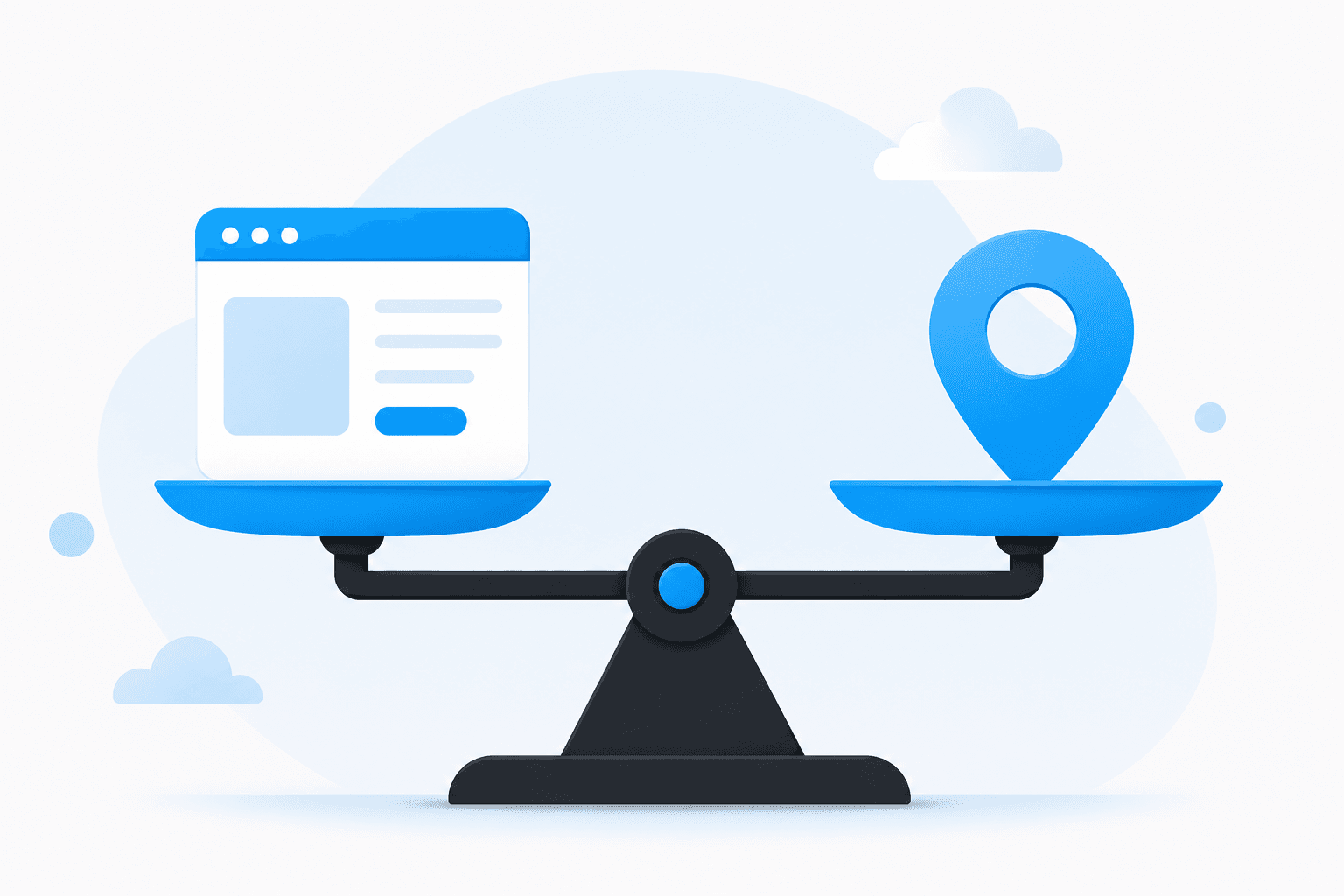
So get the site. Just be clear about what you've bought: a name and a face, not a customer. On its own a website confirms the people who already found you — it doesn't go out and find new ones, and it doesn't turn the ones who land on it into anything. Which brings us to the two things nobody selling you a website will tell you, both of which matter more than which website you pick.
First: a website nobody can find is worthless
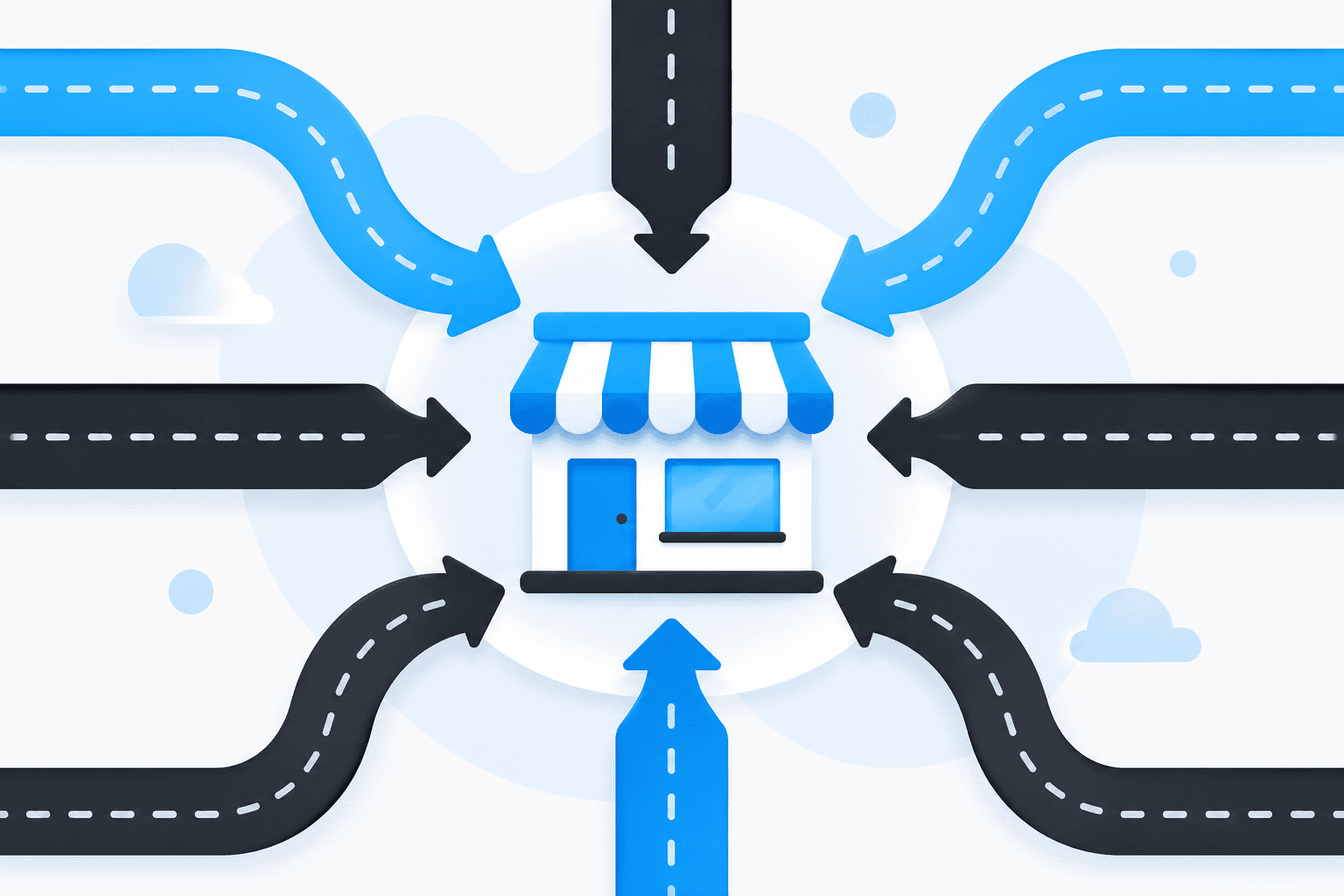
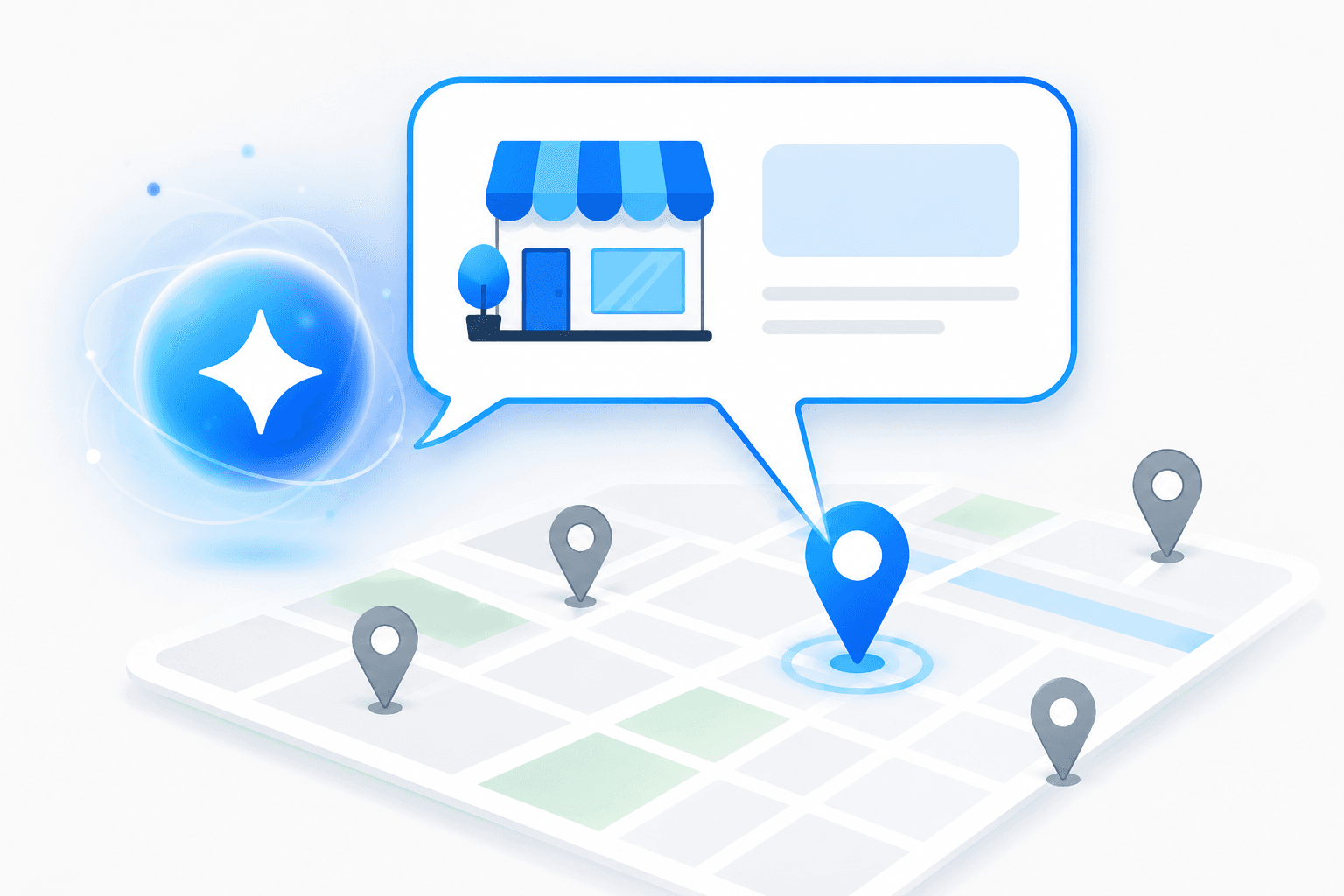
A website doesn't bring you customers. Being found brings you customers — and that's a separate job from having a site, and the harder one.
You can spend weeks on a beautiful website and have it change nothing, because no one ever lands on it. A site with no traffic is a shop in the middle of nowhere, on a road nobody ever drives down. The work that actually drives people to your door — showing up in search, a complete Google Business Profile, referrals, the occasional ad, and increasingly being the business the AI names when someone asks it for a recommendation — is its own discipline, and it's where most of the real effort lives. (More on showing up when customers ask AI.) Build the site, by all means. Just know the building is the easy part; the views are the work.
Second: a website alone does almost nothing
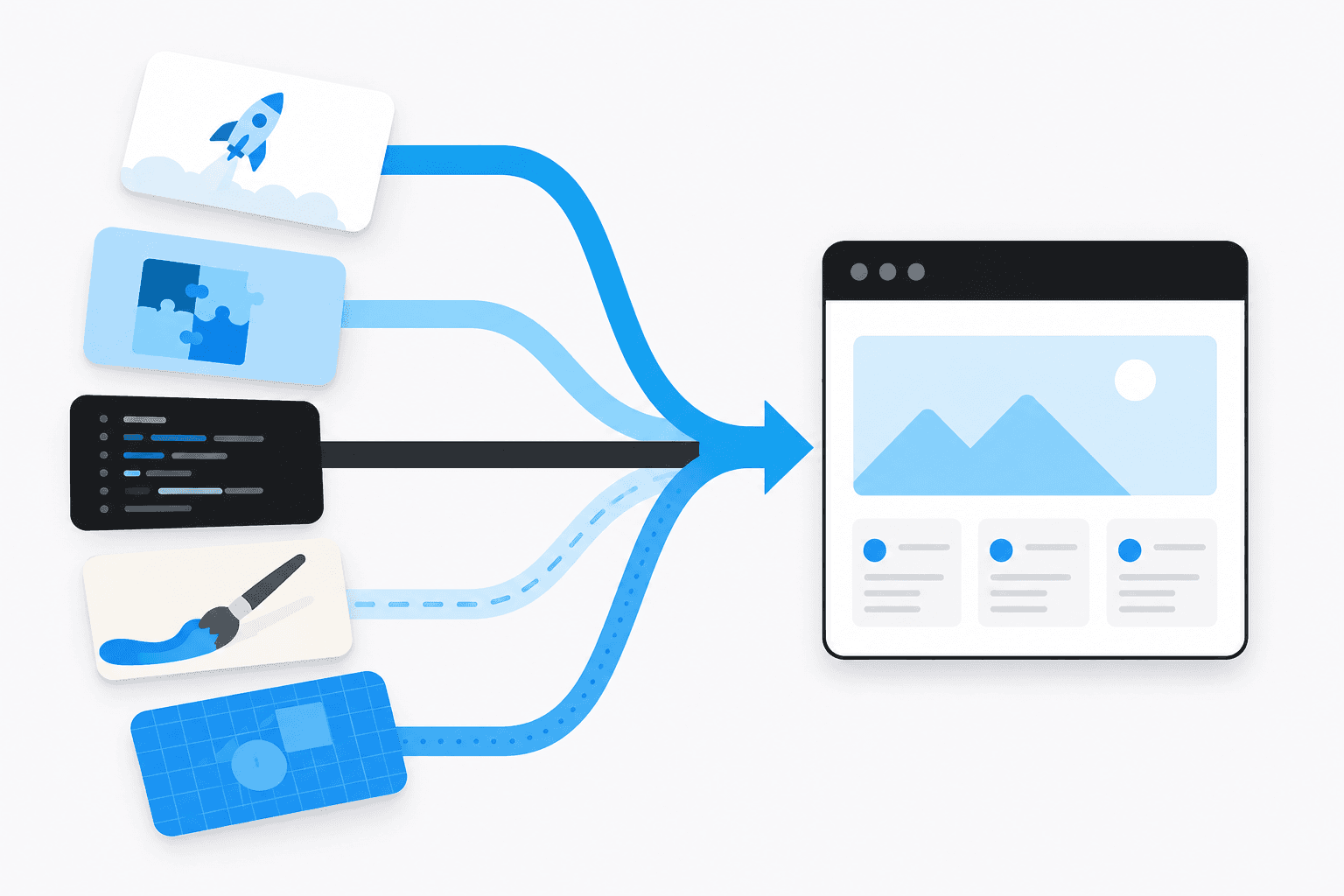
Even with visitors, a website on its own mostly just sits there. It's a baseplate. What actually wins and keeps customers is the system you build on top of it — and the value is in how the pieces fit together, not in any one of them.
Here's what I mean. Say you add two ordinary tools: a booking widget so people can book online, and a follow-up automation so they get reminders. Separately, each does its small job. The gap is between them — someone books, no reminder fires, they forget, they no-show, and you never learn why. Wire the two together so a booking quietly triggers a reminder the day before and a review request the day after, and the no-shows fall and the reviews climb while you do nothing. Same two tools. The value was the connection.
That's the real work, and it's what I do — I spent twenty-two years connecting systems inside large institutions, and the job is the same now, just smaller and faster, with AI doing what used to take a team. The tools are cheap and everywhere. Clicking them together so they run as one system is the part almost nobody is good at.
So: get a website. It's the essential baseplate. Just go in knowing it's the start, not the finish.
Do you actually need one?
Usually yes — it's where people check you out before they decide, and the one piece of your presence you own rather than rent (your social accounts can change the rules on you overnight). But if you're very early, a tidy Google Business Profile and a phone that gets answered might genuinely be enough for now. Don't build more than you need yet.
Your options, honestly
There's never been more choice, and each option is a real trade between cost, time, control, and how far it can take you:
- DIY builders — Wix, Squarespace, Google Sites. Cheap, fast, fully in your hands. Great for a clean, simple site; you'll hit a ceiling if you need anything custom. For a lot of businesses, this is genuinely the right call.
- AI builders — Lovable, Replit, and the like. Newer: you describe what you want and they generate it. Impressive and quick, still rough at the edges for a real business — worth knowing about, not always worth betting on yet.
- A freelancer. A real person, a custom-enough result, a wide range of prices and reliability. Good when you want it handled but don't need an agency.
- An agency. More polish, more process, more cost. Worth it when the website is genuinely high-stakes for you.
- Custom-built. Full control, highest ceiling, highest cost — only worth it when an off-the-shelf option truly can't do the job.
I go deeper on each of these elsewhere in this collection. The short version: most small businesses are well served by a good DIY build or a solid freelancer — and the money is better spent on the system behind the site than on the site itself.
What it should cost
Less than you fear, usually. A capable DIY site costs about a monthly subscription. A freelancer might be a few hundred to a few thousand. An agency or custom build runs higher. The trap isn't overpaying for a site — it's pouring the whole budget into a beautiful baseplate and having nothing left for the system that actually earns its keep.
The rest of the system
Once the site is down and people are finding it, here's the board — the blocks that turn visits into customers, and customers into more customers. You won't need all of it; almost nobody does:
- Converting — what your site does when someone lands: one clear action, capture the enquiry, let them book or pay.
- Catching every inbound — a CRM so nothing slips, fast follow-up, a text back when you miss a call. The most common leak in a small business is an enquiry nobody answered in time.
- Onboarding — setting a new customer up well, so the first experience earns the second.
- Getting paid — invoicing and collecting cleanly, without it eating your week.
- Keeping and growing — reviews, referrals, and winning back the ones who drifted. Keeping a customer costs a fraction of finding one.
Each of these is its own topic in this collection. The point of the map is to see the whole board, not to build all of it.
You don't need all of it — you need the next right block
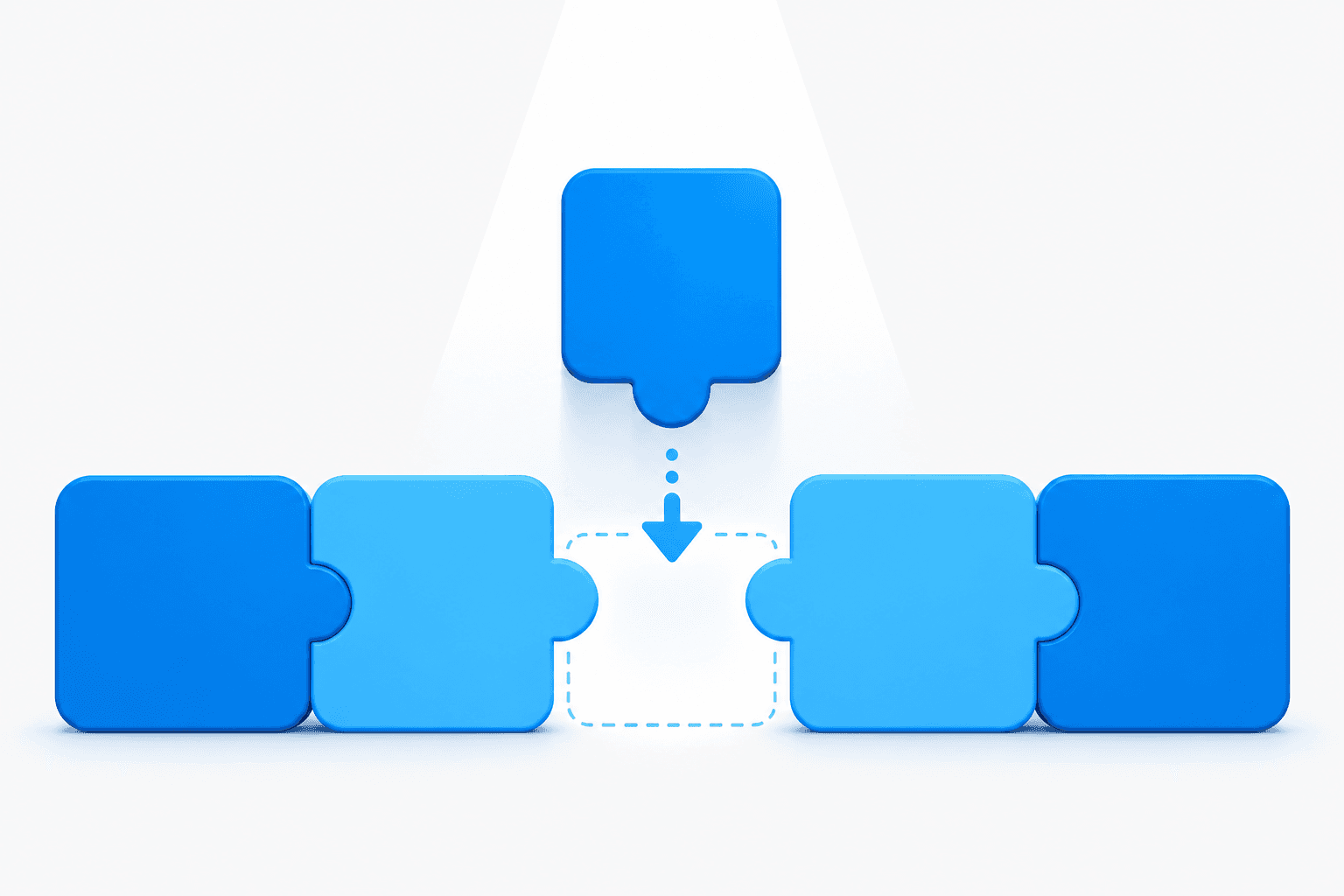
The most useful thing on this page: you get stronger by adding the one piece that's missing — the follow-up that never happens, the fact that nobody can find you — and wiring it in properly. Often it's small and cheap. Sometimes it's worth paying for; just as often you can do it yourself, and a straight advisor will tell you which.
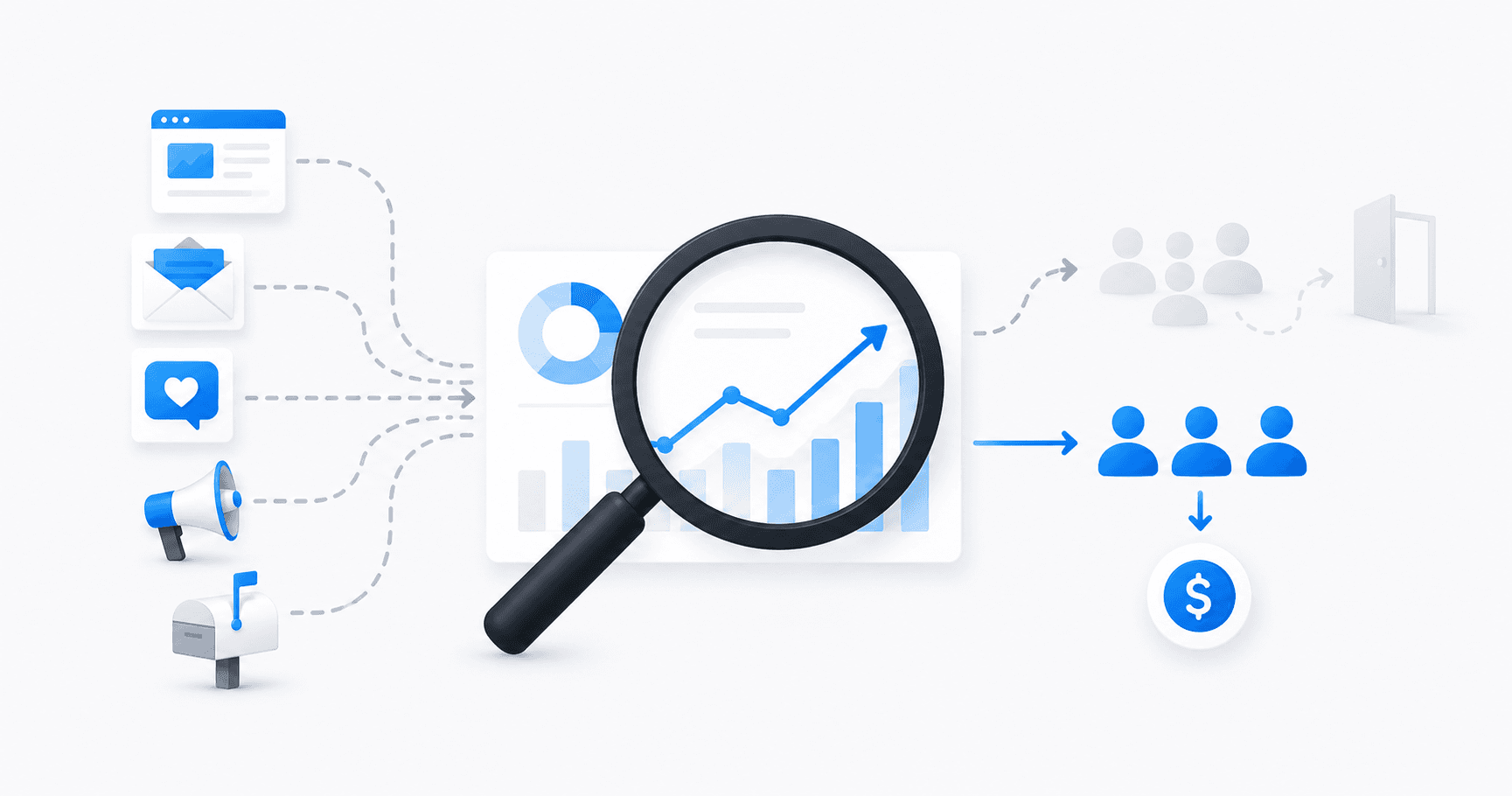
And knowing which block matters isn't a guess — it's a measurement. What's actually working, versus what only looks like it, is its own subject and the companion to this one: how to tell if your marketing is actually working.
If you want a second pair of eyes on what you've got and what's worth doing next, that's exactly what I like looking at. Fifteen minutes, no pitch: you tell me how your business works, I tell you what I see. Have a look here.