It's Not the Tools, It's the Assembly: How a Small Business Gets and Keeps Customers
The tools to win and keep customers are cheap and everywhere — the value is assembling them so they work as one system. An honest map for small business owners.
You've probably thought, at some point, "I need a website." You might. But a website is the easy part — and on its own, the least of your worries. Getting and keeping customers isn't really a website problem. It's an assembly problem. This page is the honest map of that: what the parts are, which ones you actually need, and where the real work is.
The tools are cheap. The assembly is the value.
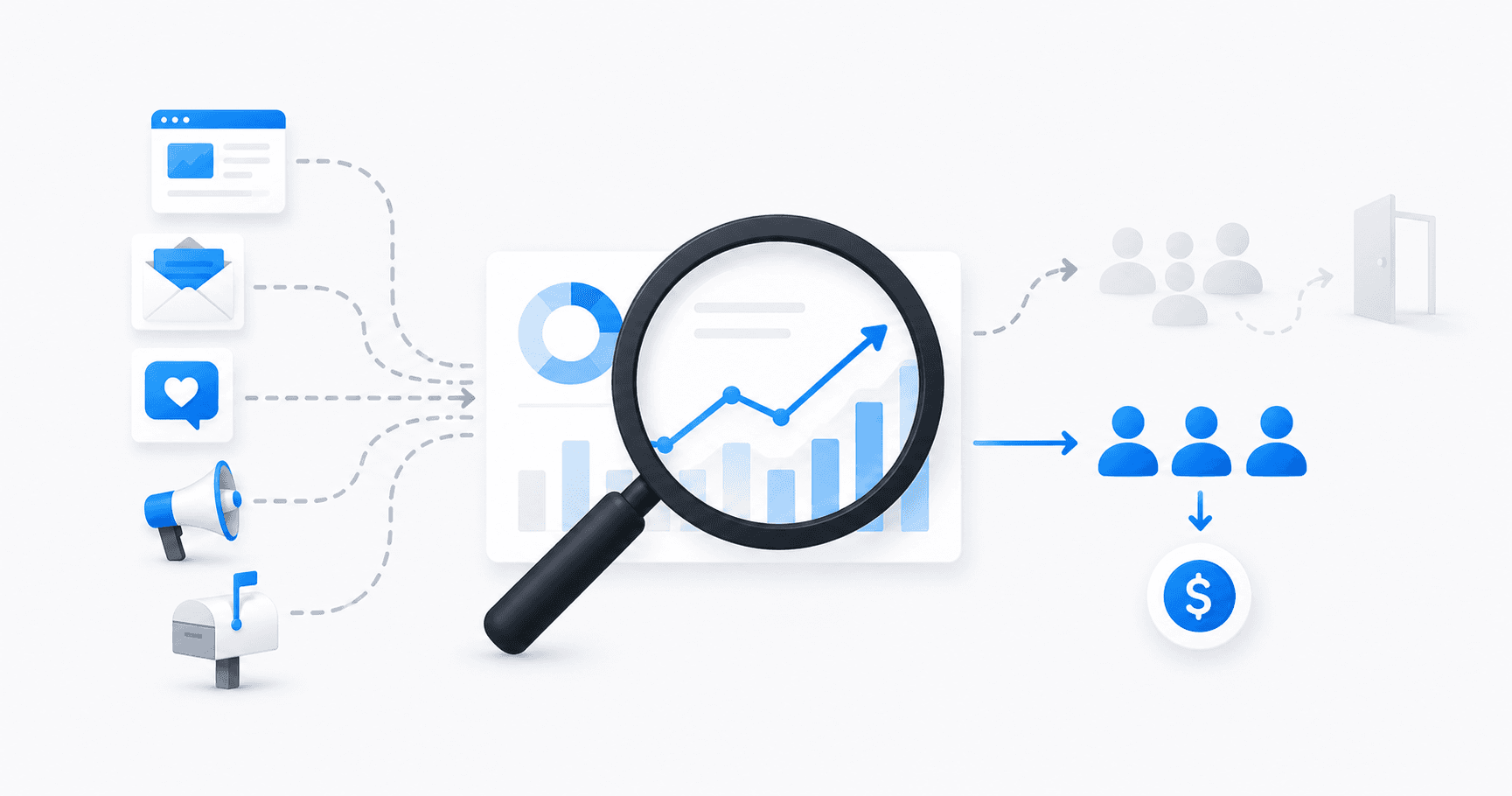
Here's what almost nobody selling you software will say plainly: the building blocks are commoditised. A booking tool, a CRM, an email-and-text system, a review collector, an AI assistant that answers your phone — all of it exists, most of it is cheap, and anyone can sign up in an afternoon. The blocks are not the hard part anymore. They're Lego.
The hard part — the part that actually moves customers — is clicking them together so they behave as one system.
Take two ordinary blocks. A booking tool, so people can book you online. A follow-up automation, so customers get reminders and a nudge for a review. Bought separately, each does its own small job. The gap is between them: someone books, no reminder goes out, they forget, they no-show — and you never find out why. Wire the two together — a booking quietly triggers a reminder the day before and a review request the day after — and the no-shows drop and the reviews climb, with you touching none of it. Same two tools. The value was entirely in the click.
That's the whole job, and it's what I mean when I say I play Lego with your business. I spent twenty-two years connecting systems inside large institutions; the work is the same now, just smaller, faster, and — with AI doing the heavy lifting that used to need a team — finally affordable for a business your size. Most owners agonise over which tool. The leverage was never in the tool. It's in the assembly, and almost nobody is good at it.
The website is the baseplate
None of that means the website doesn't matter. It does — it's the baseplate the other blocks click onto, and almost every build starts there. A few honest reasons you need one:
- People check before they decide. Before someone calls, books, or pays, they look you up. Your site is where they find out you're real and decide whether to trust you.
- It's the one piece of your presence you own. Instagram, Facebook, your Google listing — you rent those, and the rules and reach can change overnight. Your website is the one address that's yours, and everything else should point to it.
- It's where the decision actually gets made. Social is where people stumble across you; your site is where someone already thinking about buying makes up their mind.
So yes — get a solid website. Just don't mistake it for the finish line. A baseplate with nothing built on it is a brochure: nice to look at, does almost nothing. And if you're very early, a tidy Google Business Profile and a phone that gets answered might genuinely be enough for now — whether a website is worth it yet is its own question, and a fair one to ask before you spend.
The rest of the territory
Once the baseplate is down, here's everything that can click onto it. You won't need all of it — almost nobody does — but this is the full board, so you can see where you are and what's missing:
- Getting found — search, your Google Business Profile, content, ads, referrals. A site nobody visits is a shop on a road with no traffic.
- Converting — what the site actually does when someone lands: one clear action, capturing the enquiry, letting them book or pay without you in the loop.
- Catching every inbound — where a lead goes after someone raises a hand: a CRM so nothing slips, fast follow-up, a text back when you miss a call, even an AI receptionist after hours. The most common leak in a small business is an enquiry nobody answered in time.
- Onboarding — getting a new customer set up well, so the first experience earns the second.
- Getting paid — invoicing and collecting cleanly, and chasing what's outstanding without it eating your week.
- Keeping and growing — turning happy customers into reviews and referrals, and winning back the ones who drifted. Keeping a customer costs a fraction of finding a new one, and it's the part most businesses leave on the table.
Each of these is worth a closer look on its own — that's what the rest of this collection is for. The point of the map here is to see the whole board, not to build all of it.
You don't need all of it — you need the next right block
Here's the most useful thing on this page: a business doesn't get stronger by bolting on every block at once. It gets stronger by adding the one that's missing — the gap between booking and showing up, the follow-up that never happens, the fact that nobody can find you — and wiring it in properly. Often that's a small, cheap change. Sometimes it's worth paying someone to do; just as often you can do it yourself, and a straight advisor will tell you which.
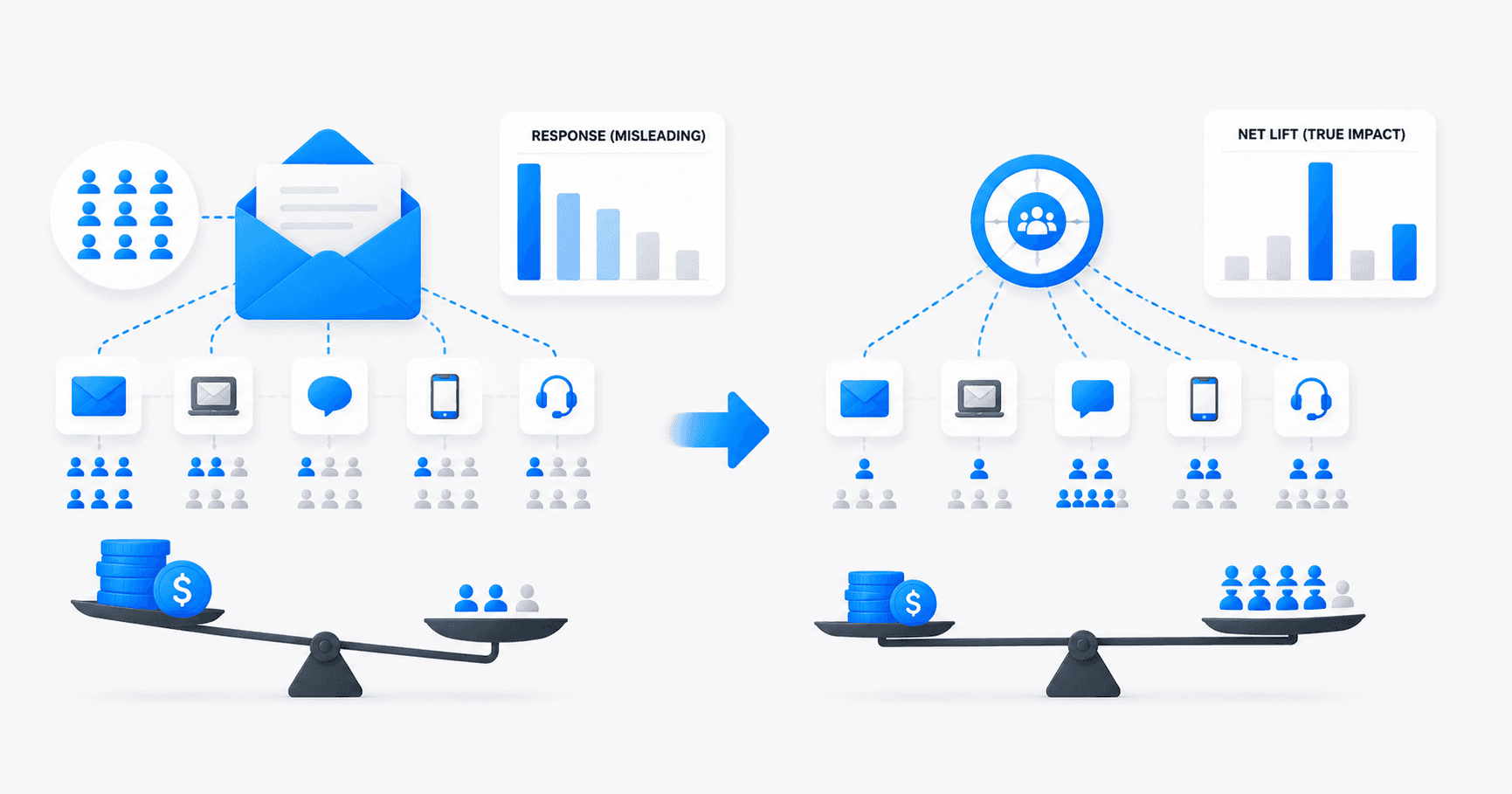
The trick is knowing which block is the one that matters — and that's not a guess, it's a measurement. Knowing what's actually working, and what only looks like it is, is its own subject and the companion to this one: how to tell if your marketing is actually working.
If you want a second pair of eyes on what you've already got and which block is worth adding next, that's exactly what I like looking at. Fifteen minutes, no pitch: you tell me how your business works, I tell you what I see. Have a look here.