How to Tell If Your Marketing Is Actually Working
Most small businesses measure activity, not effect — so they can't tell what's actually working. A plain-language guide for Canadian small businesses to measuring marketing honestly.
Most small business owners can tell you how their marketing feels. Far fewer can tell you whether it actually works.
That sounds like the same thing. It isn't, and the gap between them is where a lot of money quietly disappears.
Here's the trap. You run some ads, send some emails, post on social, maybe mail something out. Things happen — the website gets visits, the phone rings, a few new customers show up. The numbers on your dashboard tick upward. It looks like it's working. So you keep doing it, and maybe spend a little more.
But "things happened, and they went up" is not the same as "this worked." Some of those customers would have come anyway. Some of that traffic was never going to buy. Some of the numbers are flattering you, and some are just wrong. Underneath the comfortable upward line, you often can't actually see which of your efforts is pulling its weight and which is dead money.
This guide is about closing that gap — measuring the effect of what you do, not just the activity. It's written for Canadian small business owners who are doing well, are busy, and don't have a data team or any desire to become statisticians. You don't need one. You need a clearer way to think, and a few honest questions.
The core problem: you're measuring activity, not effect
Almost every small business measures one of two things: how much they did (emails sent, posts published, dollars spent) or how much response they got (clicks, visits, enquiries, leads). Both feel like measurement. Neither tells you what you actually want to know.
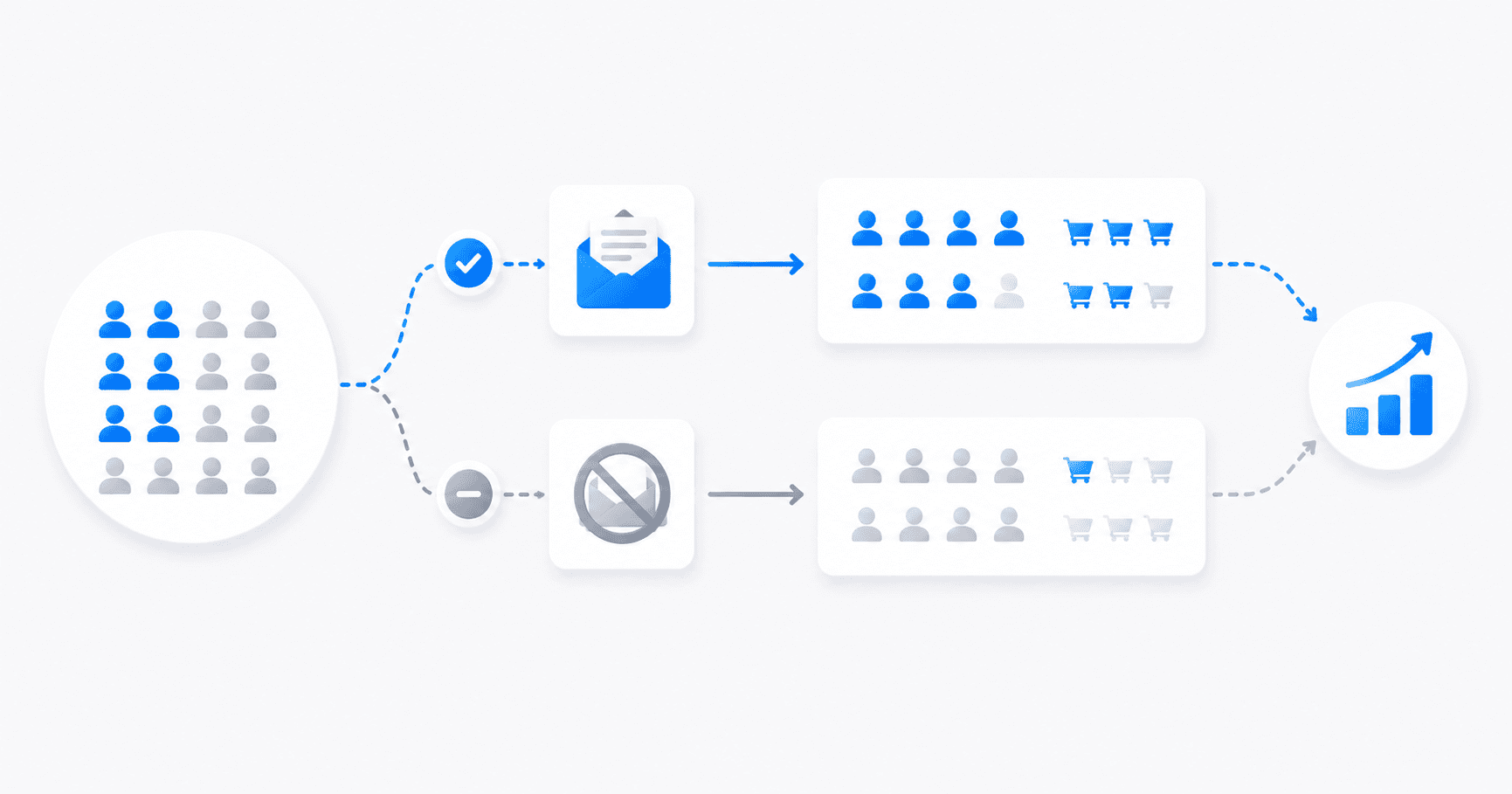
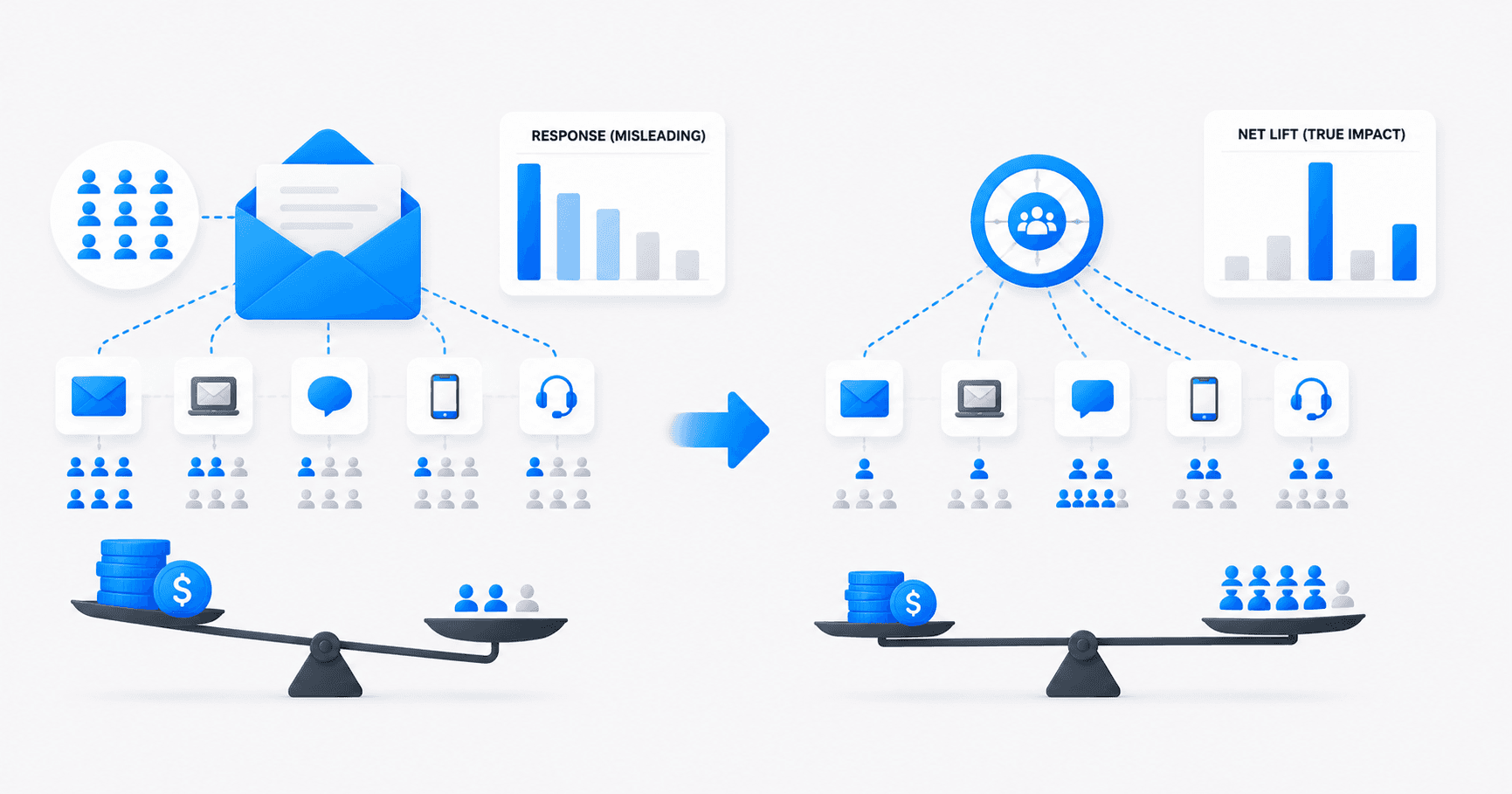
What you want to know is effect: of everything that happened, how much did your marketing actually cause? How many of those customers would not have walked in the door if you'd done nothing?
That's a harder question, and standard reporting is built to dodge it. Your dashboard will happily show you that you got 200 website visits and 30 enquiries. It will not tell you that 25 of those people had already decided to call you and the ad just happened to be the last thing they saw. The number is real. The credit is misplaced.
The whole of this guide comes back to one distinction: did this work, or would it have happened anyway? Hold onto that question. It's the single most useful thing here, and most businesses never ask it.
The pieces that make this clearer
The rest of the cluster breaks the problem into specific, practical pieces. Each one stands on its own; together they give you a way to look at your business that most of your competitors don't have.
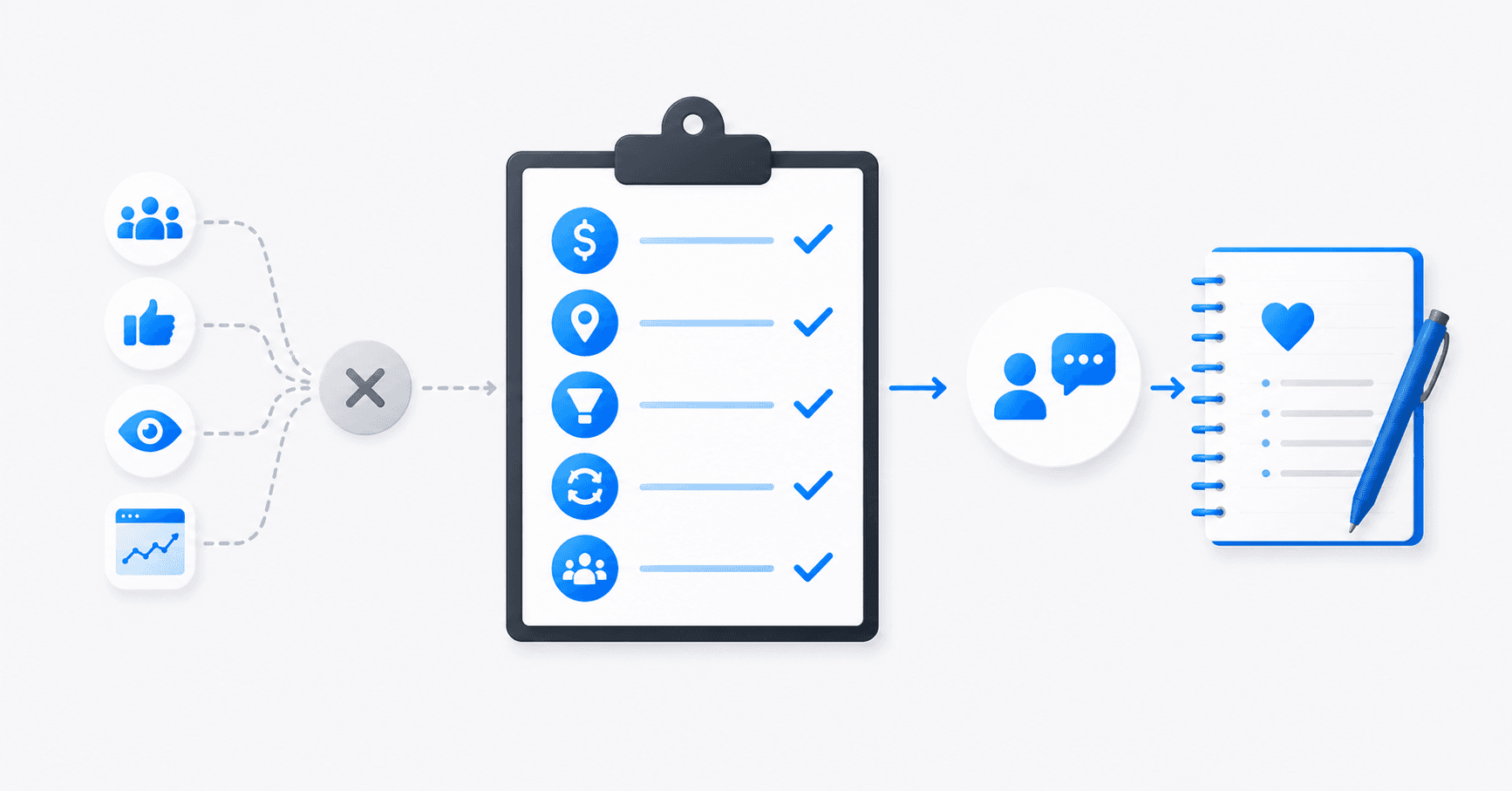
The numbers that feel good and prove nothing. Some metrics exist mainly to make you feel productive — impressions, followers, raw visit counts. Others actually track whether the business is healthier. Knowing which is which is the first filter. (See: vanity metrics vs. metrics that matter.)
Why your dashboard disagrees with your bank account. If your analytics say business is booming and your revenue says otherwise, you're not imagining it. There are concrete, common reasons the numbers and the reality drift apart — and knowing them teaches you to hold every number a little more loosely. (See: why your numbers don't match your sales.)
What "attribution" really means. It sounds like a solved, technical thing your tools handle. It isn't. Attribution is a set of guesses about which of your efforts deserves the credit for a sale — and the guesses disagree with each other. Understanding that frees you from trusting any single one too much. (See: what attribution actually is.)
The one honest test of whether marketing works. This is the heart of it: the only real way to know if an activity worked is to ask whether it produced results that wouldn't have happened without it. That idea has a name — incremental lift — and once you see it, you can't unsee how much marketing is credited with results it didn't cause. (See: would it have happened anyway?)
How to actually test something — without a data team. The honest test above isn't just theory. A small business can run a real version of it cheaply: hold a comparable group back, run the thing on everyone else, and compare. No statistician required. (See: how to test whether something works.)
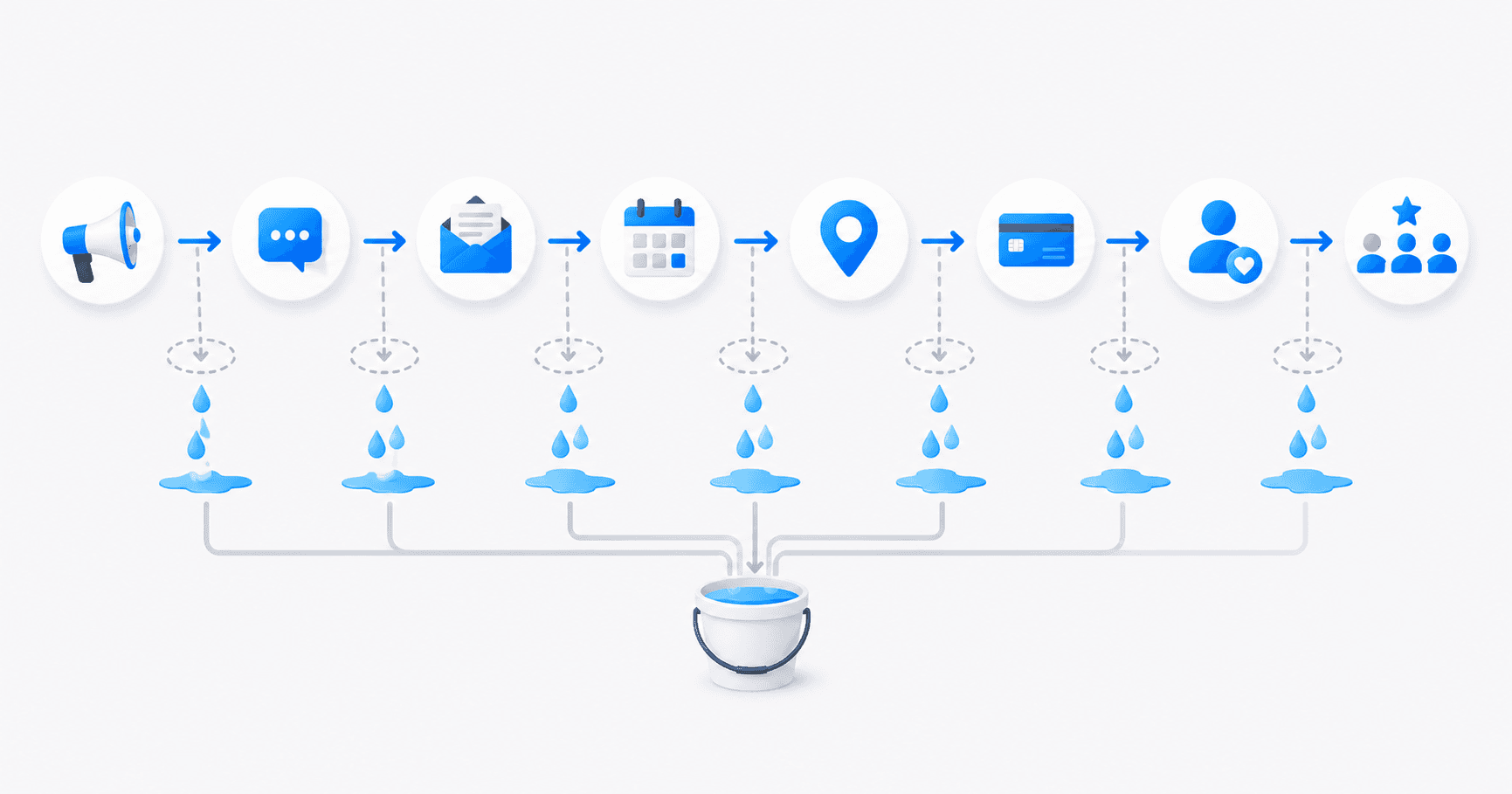
Where you're really losing customers. Marketing measurement usually stops at "did they enquire?" But customers are most often lost after that — between enquiry and booking, between booking and showing up, between a first visit and a second. The leak is usually in a gap your reporting doesn't watch. (See: where small service businesses actually lose customers.)
What to measure when you're small and busy. After all the "why your numbers lie" cautions, you still need a do-this answer. There's a short, honest set of things worth tracking that actually reflect business health — and the discipline is that fewer, truer numbers beat a crowded dashboard. (See: what to actually measure.)
Why this is worth the effort
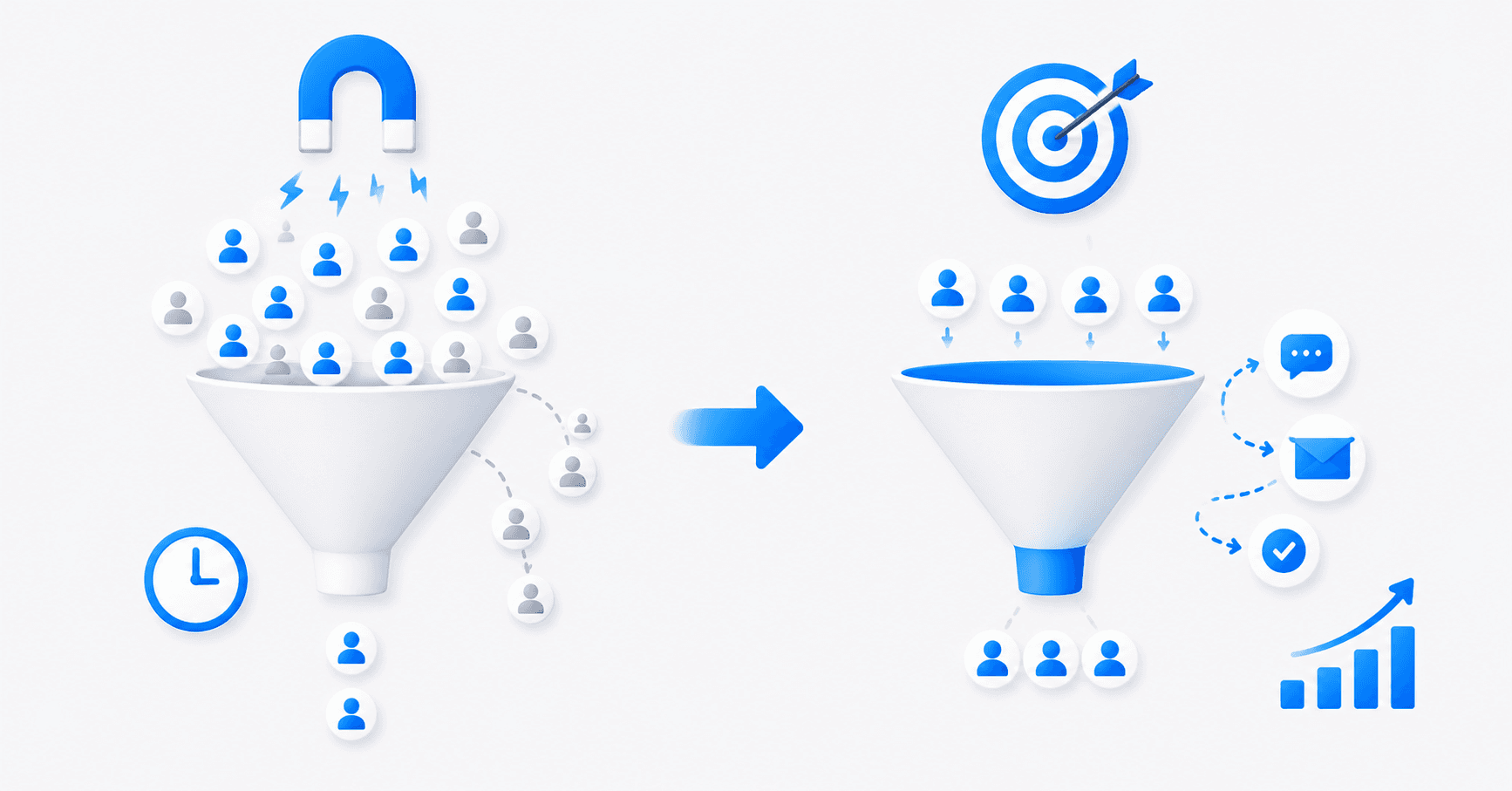
This isn't measurement for its own sake. The payoff is concrete: when you can tell what's actually working, you stop pouring money into what isn't, and you put it behind what is. The same result, for less — or a better result, for the same.
It's not a hypothetical. In one case from a large organisation, shifting the measure from response to genuine effect revealed that the bulk of a marketing budget was being spent on activity that was barely changing customer behaviour at all — and reallocating against what actually worked cut that budget by well over half with no loss in results. The principle scales all the way down: most businesses are spending something on activity that isn't doing what the dashboard claims. (The full breakdown of how that worked is here: the importance of net lift.)
You don't need to measure everything. You need to measure the right things honestly, and ask the one question most people skip: would it have happened anyway?
If you'd like an outside read on what's actually working in your own business — and where the money might be going further — that's the kind of problem I help Canadian small businesses with. You can get in touch here.