The First Experience: Onboarding New Customers So the First Job Earns the Second
The quiet gap between a customer saying yes and being set up and happy. Simple, low-cost ways to make the first experience earn the second job.
There's a moment most businesses don't think about, and it's the one that decides whether a customer comes back.
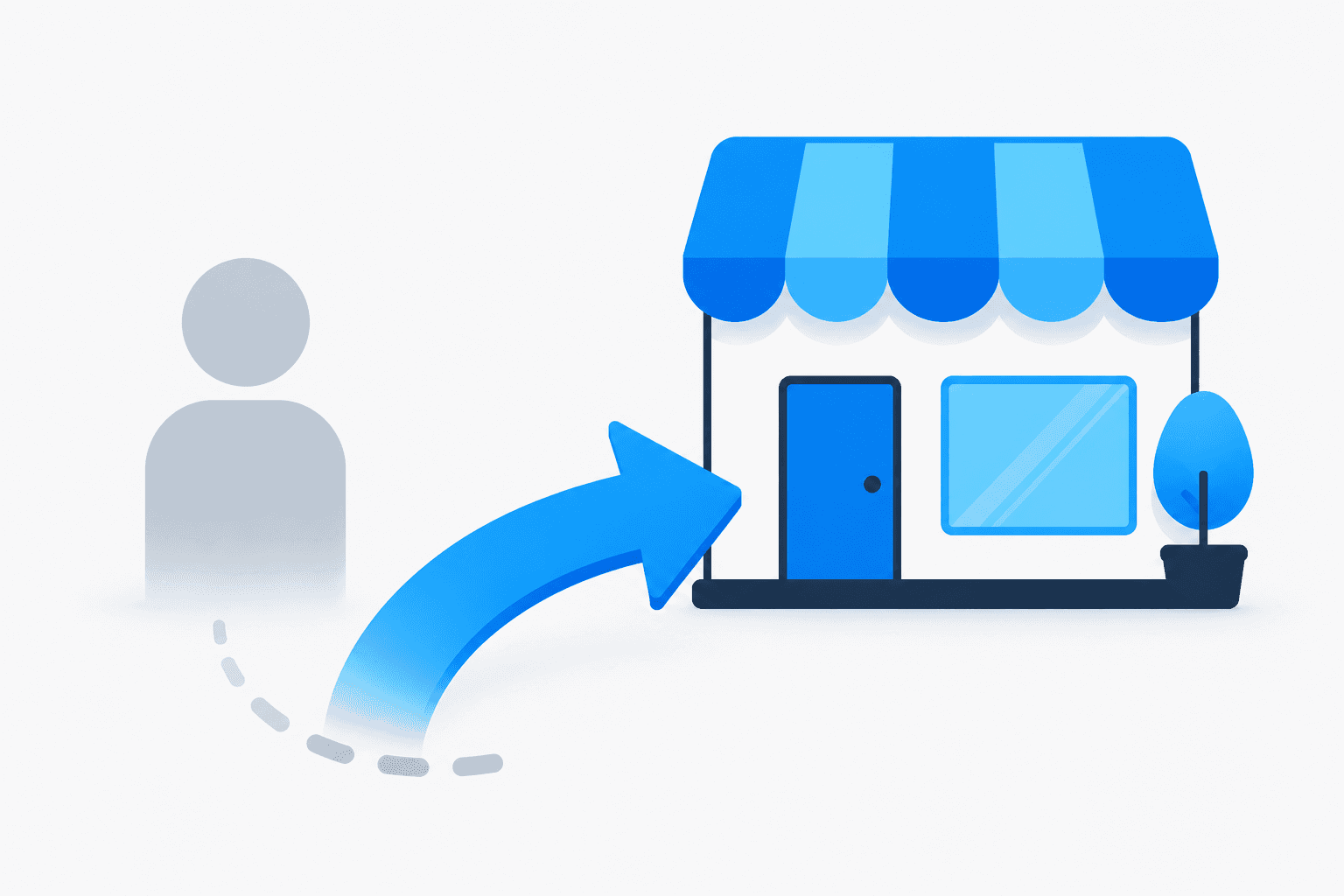
It's right after they say yes. The selling is done, the relief sets in, and the customer is sitting there — committed, a little nervous, waiting to find out what they've signed up for. What happens in the next day or two tells them, more than anything you said while winning them, whether they made a good decision.
Most small businesses pour everything into getting to the yes and almost nothing into what comes after it. Which is a shame, because the bit after the yes is cheaper to get right and worth more than another lead.
The gap nobody minds
Picture the handoff from the customer's side. They've agreed to work with you. Then… a pause. No confirmation, no clear next step, no sense of what happens now. Maybe a few days of quiet while you get to them.
Nothing has gone wrong. But the customer doesn't know that. To them, the warm, attentive business they chose has gone a bit silent, and the small worry they had — did I pick the right one? — gets a little louder. You've done nothing bad. You've just left a gap, and a gap is where doubt grows.
The fix isn't more work or better work. It's letting them feel looked after in the stretch between "yes" and "set up." That's almost free, and it's where the first job quietly starts earning the second.
What a good first experience actually does
It answers the three questions every new customer has and rarely asks out loud:
- Did I make the right call? Reassure them they did — a warm welcome, a note that you're glad to be working with them.
- What happens now? Tell them the next step, who does what, and roughly when. Certainty is the thing they're missing.
- What do you need from me? If you need a document, a payment, a time — ask once, clearly, early. Don't let the first thing they learn about working with you be a chase.
None of that requires a system or a budget. It requires deciding, once, what a new customer should hear in their first few days — and then making sure they always hear it.
The simple, low-cost moves
You don't need all of these. Pick the one or two that close your biggest gap:
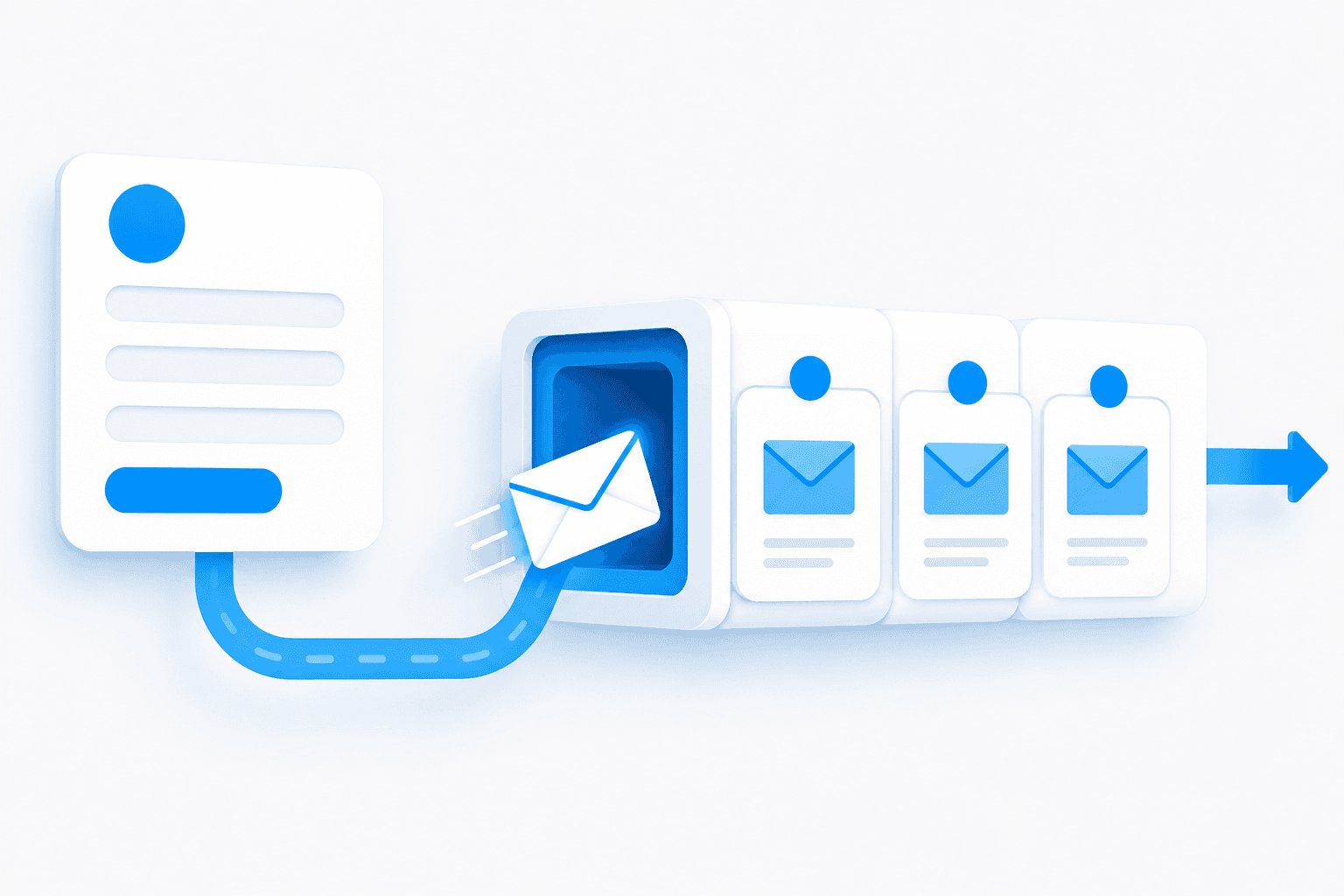
- A welcome that lands the same day. A short message — "great to have you, here's what happens next" — sent right after they commit, while the good feeling is still warm. The single highest-return thing on this list.
- Tell them what to expect. A few plain lines on how it works: the steps, the timing, how you'll be in touch. People relax the moment they know the shape of the thing.
- Ask for everything you need in one go. Whatever you need from them to start — gather it in a single, friendly ask instead of three scattered ones. It feels organised, which makes you feel safe to have hired.
- One small human touch. A real reply to a question, remembering a detail they mentioned, a quick check-in after the first milestone. Small, personal, and almost nobody does it — which is exactly why it's remembered.
- A clean finish. When the first job is done, close the loop on purpose: here's what we did, here's what's next if you ever need it, and — when the moment's right — a simple ask for a review. A good ending is the start of the next beginning.
The thread through all of it: you decide what the first experience should be, once, so it doesn't depend on you remembering in the moment when you're busy.
Where automation fits, honestly
Some of this you can put on rails — a welcome message that sends itself, a reminder that fires when a payment is due, a review request that goes out a few days after the work's done. The tools to do that are cheap and everywhere, and they're genuinely useful for the bits that should happen every single time without you thinking about it. There's more on how the pieces fit together in the buyer's guide — onboarding is one block on that board.
But here's the honest part: don't automate the human touch out of the first experience. The welcome can be templated; the warmth shouldn't feel like it was. The whole point of a good handoff is that the customer feels personally looked after. Automate the reminders and the admin — the things that are tedious and easy to forget. Keep the moments that make someone feel chosen genuinely yours. A robotic welcome is sometimes worse than none, because it tells the customer the attention they got while being sold was the last of it.
Why this earns its keep
Keeping a customer costs a fraction of finding one, and a customer who feels well looked after is the one who comes back, refers a friend, and leaves the review that wins you the next three. The first experience is where a one-time job turns into a relationship — or doesn't.
It's worth saying plainly: more onboarding polish only matters if you're winning customers in the first place. If your real problem is that enquiries aren't turning into yeses, fixing the handoff won't help — that's a different leak, and worth being honest with yourself about which one you actually have. The most useful question isn't "how do I improve everything," it's "where am I losing people," because the answer points you at the one fix that's worth your week.
If you want a plain read on where your customers' first experience could be quietly costing you the second job — and the small, cheap things worth fixing first — that's exactly the kind of thing I like looking at. Fifteen minutes, no pitch: you tell me how your business works, I tell you what I see. Have a look here.