Why "More Leads" Is Often the Wrong Goal
For a business already doing well, more leads is often the wrong goal — and can make things worse. The two levers that usually beat volume, and how to tell which you need.
When a business wants to grow, the request is almost always the same: "I need more leads." It feels obvious. More leads means more customers means more revenue, right?
Often, no. For a business that's already doing reasonably well, "more leads" is frequently the wrong goal — and chasing it can actively make things worse. The real lever is usually somewhere else entirely.
More leads can cost you more than they make
Leads aren't free to handle, even when they're free to acquire. Every enquiry takes time — to respond to, to qualify, to follow up, to quote. That time is your scarcest resource, and it's the same time you'd otherwise spend serving the customers you already have well.
So a flood of low-quality leads — people who'll never buy, or who want something you don't offer, or who'll haggle endlessly and then vanish — isn't neutral. It's a cost. You're paying, in your own hours, to sort through people who were never going to become good customers. Forty enquiries that produce two sales can easily be worse than five enquiries that produce three, because the forty ate a week you'll never get back.
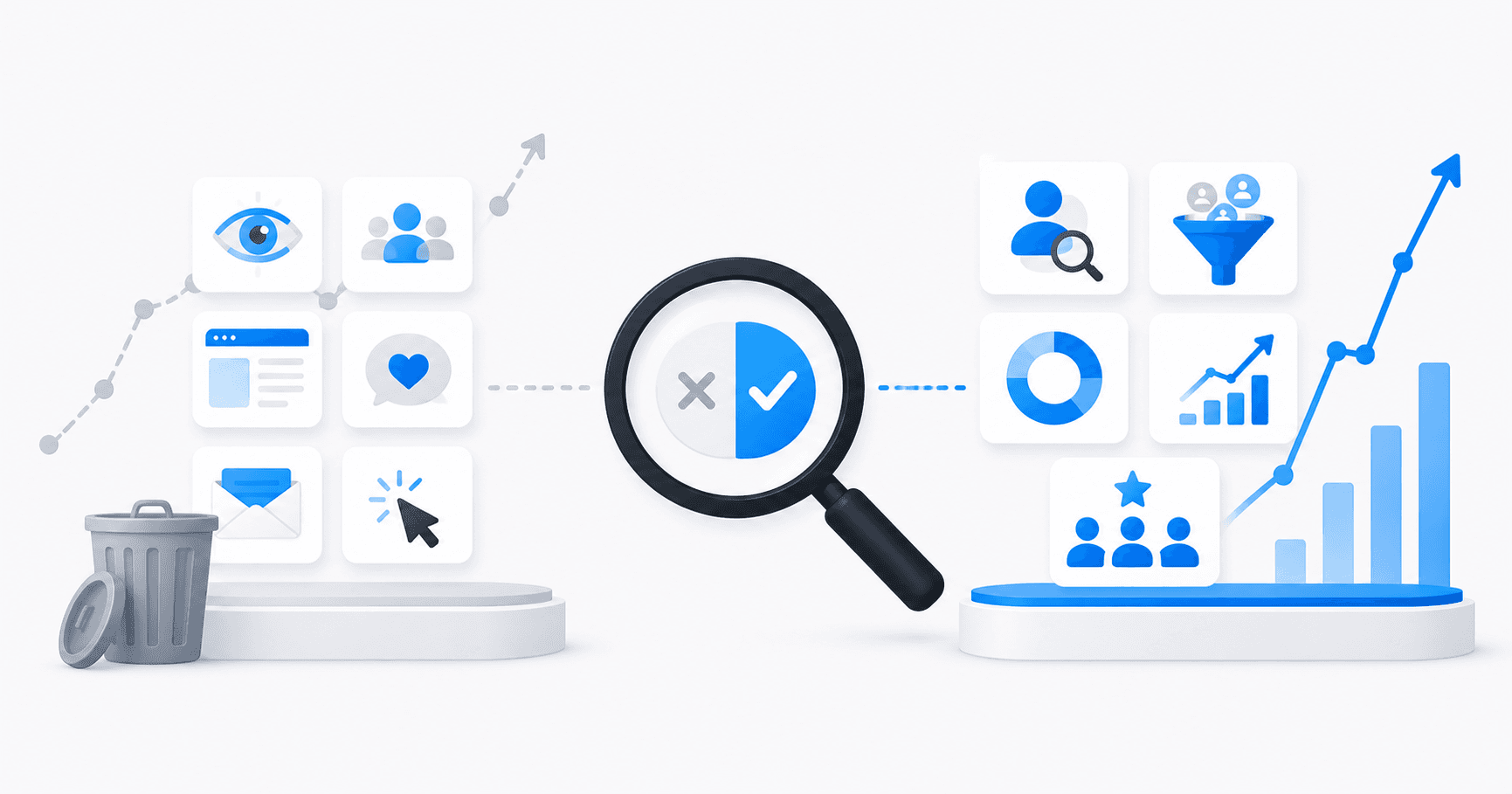
This is the same trap as vanity metrics vs. metrics that matter: a big lead count looks like success while quietly draining the business.
The two levers that usually beat volume
If you're already getting a steady flow of enquiries, two things will almost always do more for you than increasing that flow:
Better leads, not more leads. A smaller number of enquiries from the right people — those who want what you actually do, value it, and can afford it — is worth far more than a large number of poor fits. Improving lead quality often means being clearer about who you're for and, just as importantly, who you're not. Narrowing can grow you.
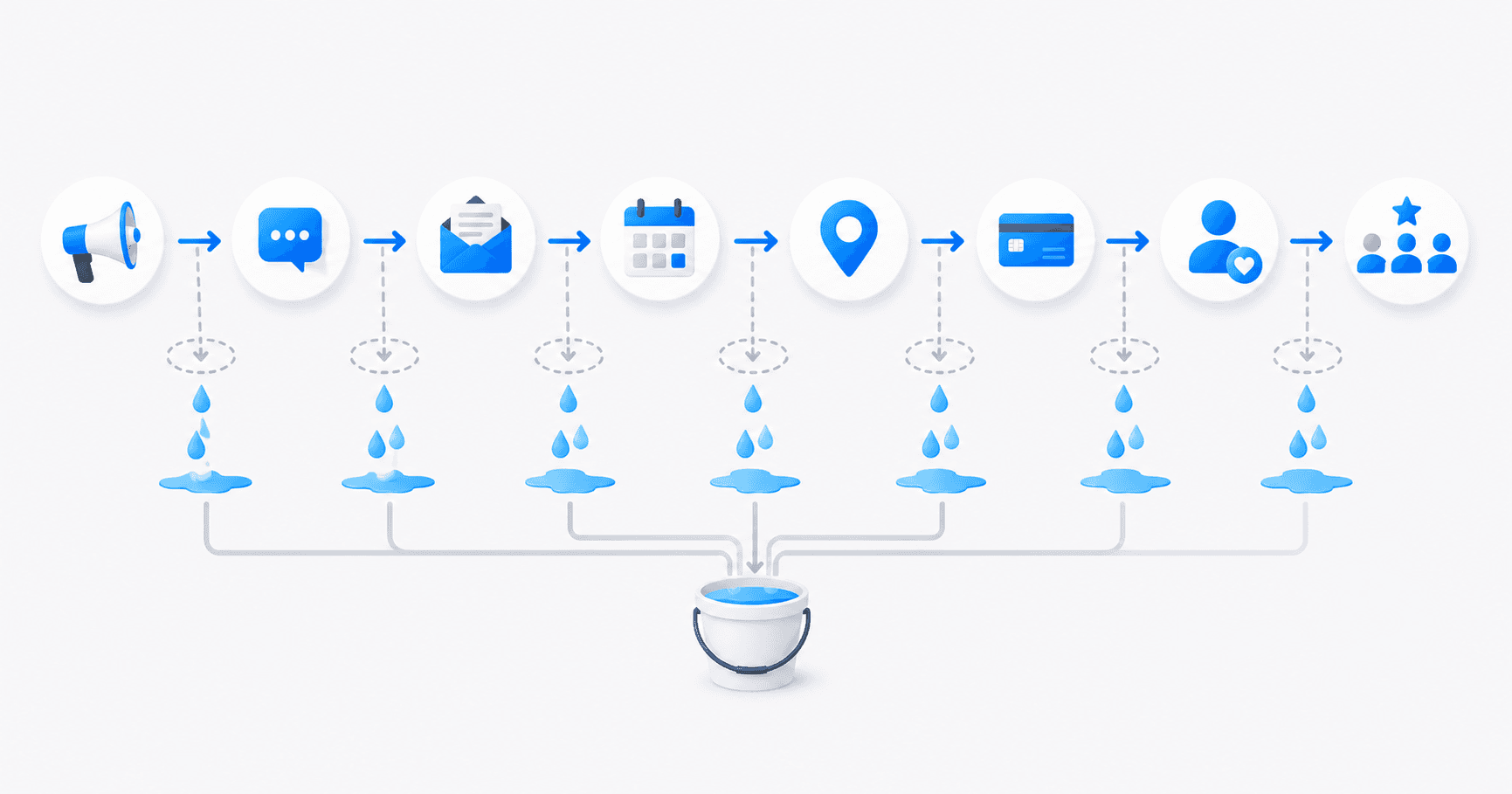
Converting the leads you already have. Most businesses lose far more customers to weak follow-through than to a shortage of enquiries. If half the people who contact you drift away because of a slow reply or an awkward next step, fixing that is worth more than doubling your enquiries — and it costs nothing in additional marketing. Where exactly those people slip away is covered in where small service businesses actually lose customers.
Both of these are about getting more out of what you've already got, rather than pouring more in at the top.
Why the instinct is so often wrong
"Get more leads" is appealing because it feels like action and it points outward — the problem is a shortage of attention, and the fix is more marketing. That's a comfortable story. It's also frequently wrong, because it skips the harder questions: Are the leads I'm getting any good? Am I converting the ones I have? Am I keeping the customers I win?
Those questions are less fun, because the answers often point at something you're doing rather than a market you haven't reached yet. But that's also why they're where the value is — they're fixable, immediately, without spending another dollar on acquisition.
How to know which problem you actually have
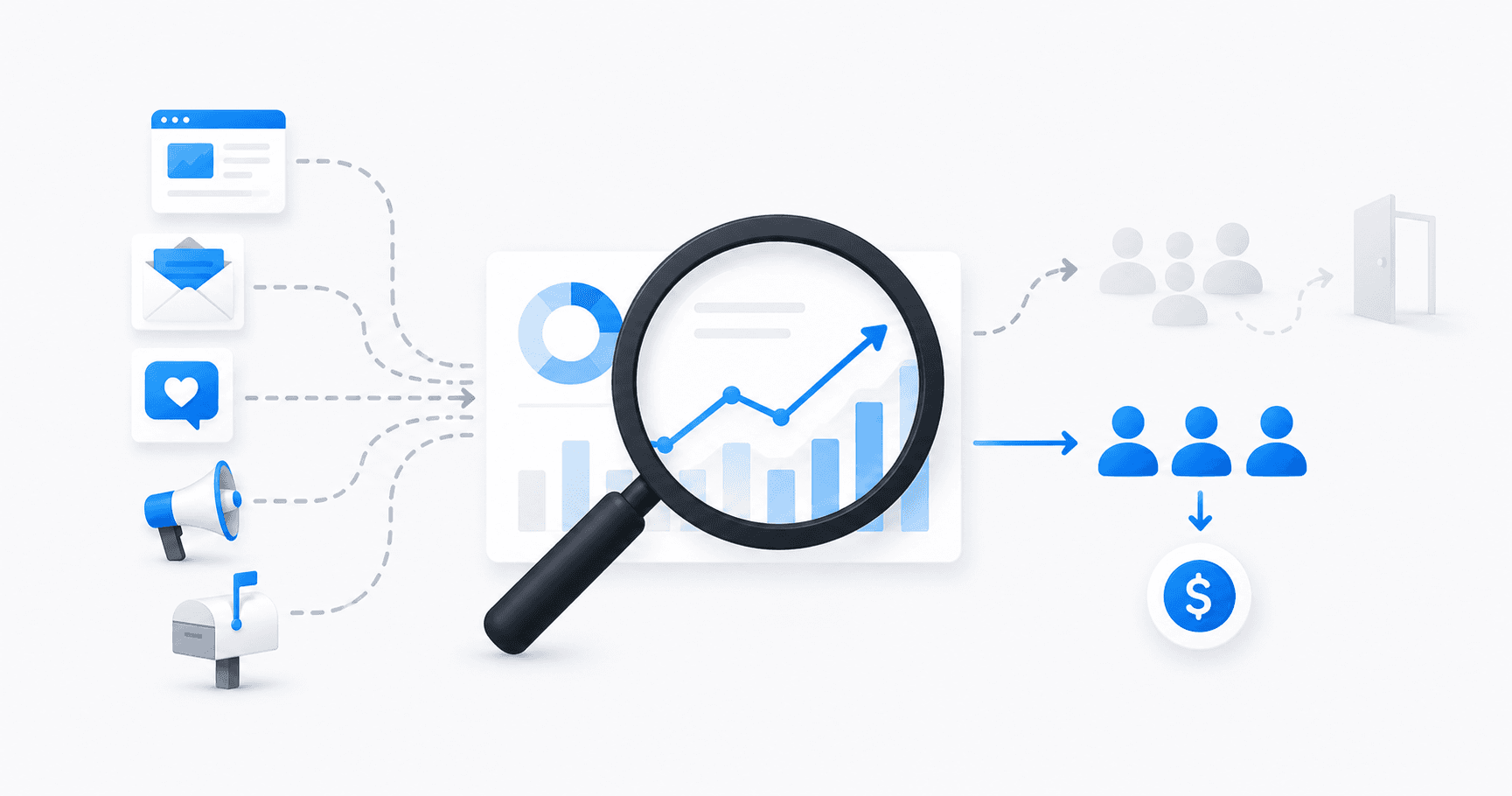
The way to tell whether you need more leads or better conversion is to measure honestly, not to assume. Track what fraction of your enquiries become customers, and what those customers are worth. If your conversion rate is healthy and your customers are good ones, then maybe more leads genuinely is the answer. If it isn't — if most enquiries go nowhere, or the customers you win aren't profitable — then more leads will just give you more of the same problem.
That honest read on what's actually working, rather than what feels productive, is the whole theme of measuring your business properly: how to tell if your marketing is actually working.
If you'd like an outside read on whether you really need more leads — or whether the bigger opportunity is in the customers you're already reaching — that's exactly the kind of question I help Canadian small businesses work through. You can get in touch here.