Should You Hire Someone to Build It? Freelancer vs. Agency vs. Custom
When to build your own website and when to pay someone — freelancer, agency, or custom. What each tier actually buys you, and the red flags to watch for.
So you've decided you want a website, and now there's a second decision hiding inside the first: do you build it yourself, or pay someone to do it? And if you pay someone — a freelancer, an agency, a custom build from scratch — what are you actually getting for the difference in price?
Here's the honest version, the way I'd walk a friend through it. The short answer is that most small service businesses are well served by doing it themselves or hiring a good freelancer, and the more expensive options only earn their keep in a few specific situations. Let me show you why.
What you're actually paying for
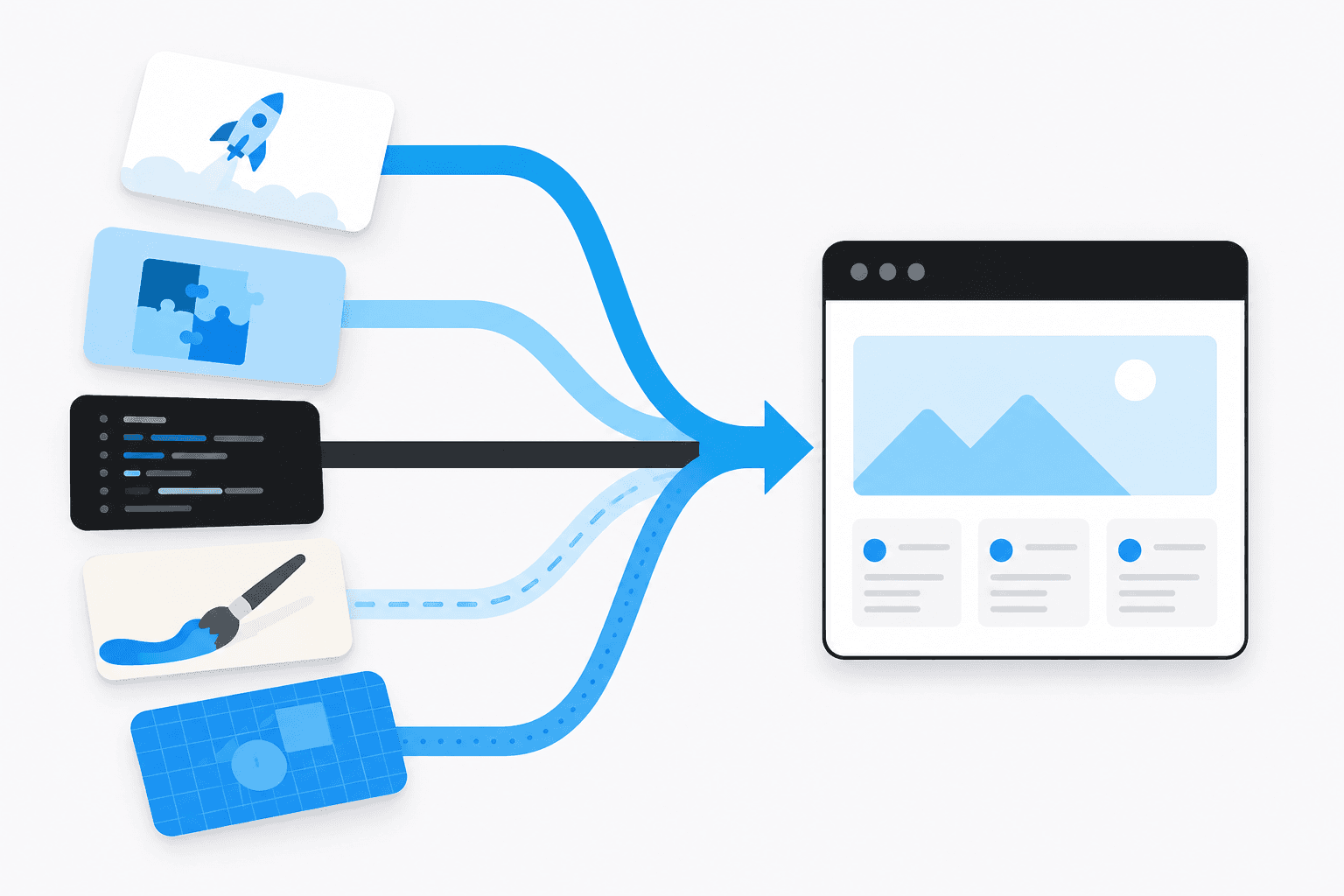
The thing to understand is that as the price goes up, you're not really buying a better website. A clean, fast, clear site can come out of any of these. What you're buying is some mix of three things: time off your plate, range (how unusual a thing they can build), and a process you can lean on when something goes wrong. That's it. Hold that in mind as we go through the tiers.
Doing it yourself. With Wix, Squarespace, or Google Sites, you're paying almost nothing and buying nothing off your plate — the time is all yours. For a straightforward site that says who you are, what you do, and how to reach you, this is genuinely enough for a lot of businesses. The ceiling is real but it's higher than people expect.
A freelancer. Now you're paying for time off your plate, and a bit of range. A good freelancer takes the build away from you and hands back something custom-enough, usually for a few hundred to a few thousand. The catch is that "freelancer" covers everyone from a brilliant one-person shop to someone who'll vanish the moment your site is live. The person matters far more than the label.
An agency. Here you're paying mostly for process and polish — a team, a system, someone who answers the phone, a more finished result. That costs real money, and it's worth it when the website is genuinely high-stakes: when a lot of revenue runs through it, or it has to do something complicated, or it simply can't be allowed to break.
A custom build. Built from scratch, for you, by developers. Highest control, highest ceiling, highest cost. This is only worth it when an off-the-shelf option truly can't do the job — and for a normal service business, that's rare. Most of the time, a custom build is a beautiful answer to a question you didn't need to ask.
If you want the wider context on these options and what each should cost, the buyer's guide lays out the whole landscape.
So which one is right for you?
Be honest about how high-stakes the site really is. Not how high-stakes it feels — every business owner feels their website is enormously important. How much actually rides on it.
For most accountants, brokers, consultants, and independent practices, the site is a place people check you out before they call. Important, yes. High-stakes in the sense that justifies an agency or a custom build? Usually not. That's not me talking you out of spending money — it's me pointing out that the same budget does far more good somewhere else, which I'll come back to.
The site genuinely is high-stakes when it's doing real work: taking bookings and payments at volume, running a process customers depend on, carrying a brand where the polish itself wins or loses the deal. If that's you, pay for the help. If it isn't, you'll get there fine with a freelancer or your own two hands.
Red flags, whoever you hire
A few things to watch for, because they're common and they cost people money:
- Someone who sells you a pretty site and then disappears. The build is the fun part for them and the easy part for you. What you actually need is someone reachable in six months when something breaks or needs changing. Ask, before you pay: who do I call when I need a change? If the answer is vague, that's your answer.
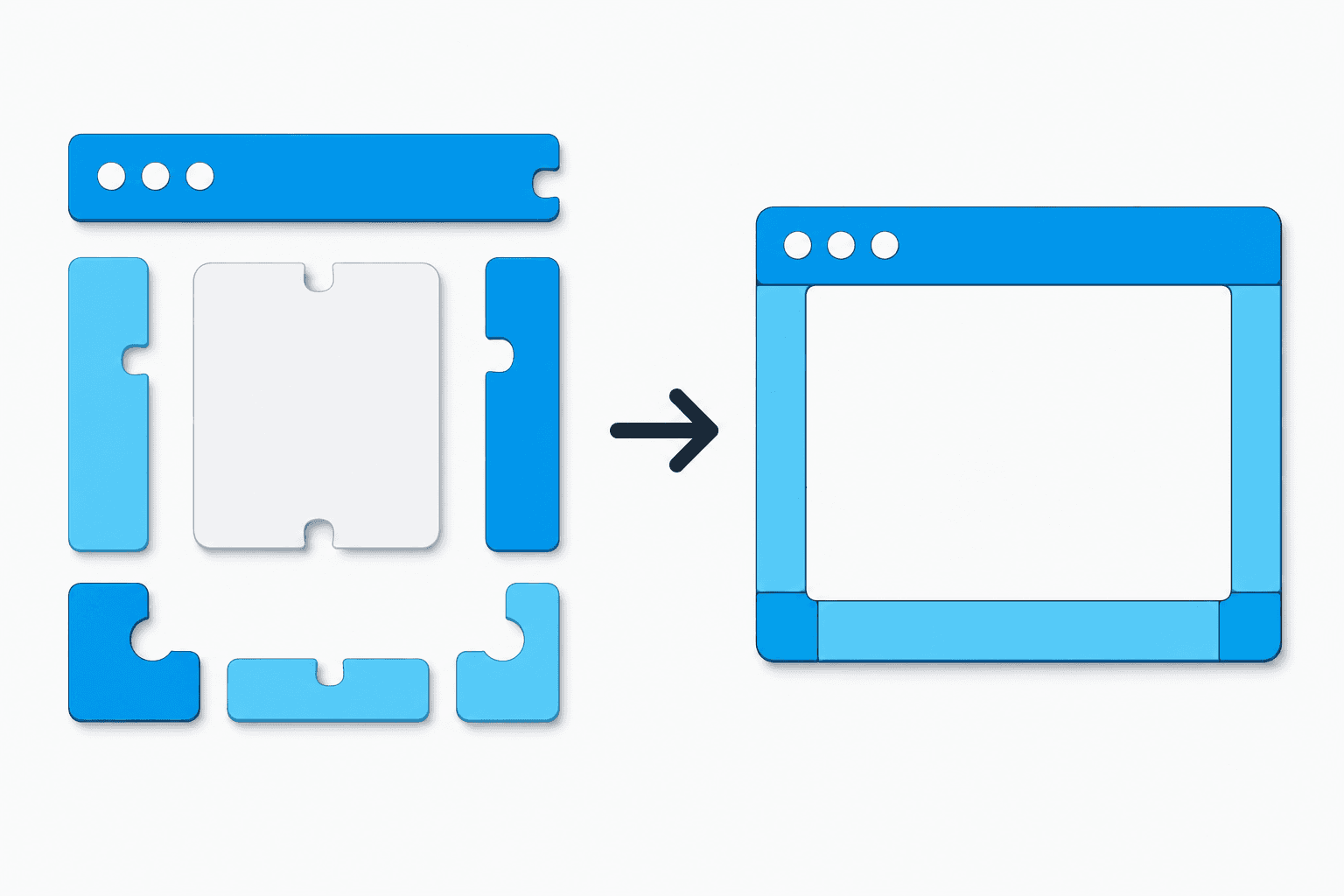
- Someone who never mentions that the site is the easy bit. A website on its own mostly just sits there. What turns it into customers is the system around it — getting found, catching every enquiry, following up. Anyone who treats the site as the whole job, rather than the baseplate, either doesn't know that or isn't telling you. Both are a problem.
- Anyone selling complexity you didn't ask for. If a simple brochure site is being quoted like a software project, slow down. Sometimes that's warranted. Often it's just a bigger invoice.
- Guarantees about results. A site can't promise you leads, and more leads isn't even always the goal — there's a whole piece on why. Be wary of anyone who promises an outcome that depends on a hundred things outside their control.
Where the money is better spent
This is the part I most want you to hear. The trap isn't overpaying for a site — it's pouring the whole budget into a beautiful site and having nothing left for the system that actually earns its keep.
A site nobody can find does nothing, and being found is its own job — including, increasingly, showing up when customers ask AI for a recommendation. A site that gets visitors but lets enquiries slip through does nothing either; that's where small service businesses quietly lose customers. The website is the start, not the finish.
So before you hand over a big cheque for a fancier build, ask whether that money would do more good wired into the system behind the site. Most of the time, it would.
If you're staring at quotes and not sure whether you need the agency or the freelancer or neither, that's exactly the kind of thing I like to look at with someone. It's a 15-minute, no-pitch conversation — you tell me how your business works, I tell you what I see. Have a look here.